


Share This Article
When my grandmother turned 70, she was more active than I was at 30 daily walks, a garden she tended herself, and a sharper memory than mine. Watching her, I realized healthy aging isn’t about luck or genetics alone; it’s built from small, consistent habits repeated over decades. These healthy aging tips pull together what geriatric research and leading health organizations actually recommend, so you can start building those habits today, whatever age you’re starting from.
What Are the Most Important Healthy Aging Tips?
Regular movement, a nutrient-rich diet, quality sleep, social connection, and preventive healthcare form the foundation of healthy aging.
Healthy aging isn’t one single behavior it’s the overlap of several habits reinforcing each other. According to the National Institute on Aging, staying active, eating well, getting enough sleep, limiting alcohol, and proactively managing healthcare are among the factors within our control that most influence how well we age. These healthy aging tips work best as a system, not a checklist you complete once and forget.
How Does Exercise Support Healthy Aging?
Regular exercise preserves muscle mass, protects joints, supports balance, and lowers the risk of chronic disease as you age.
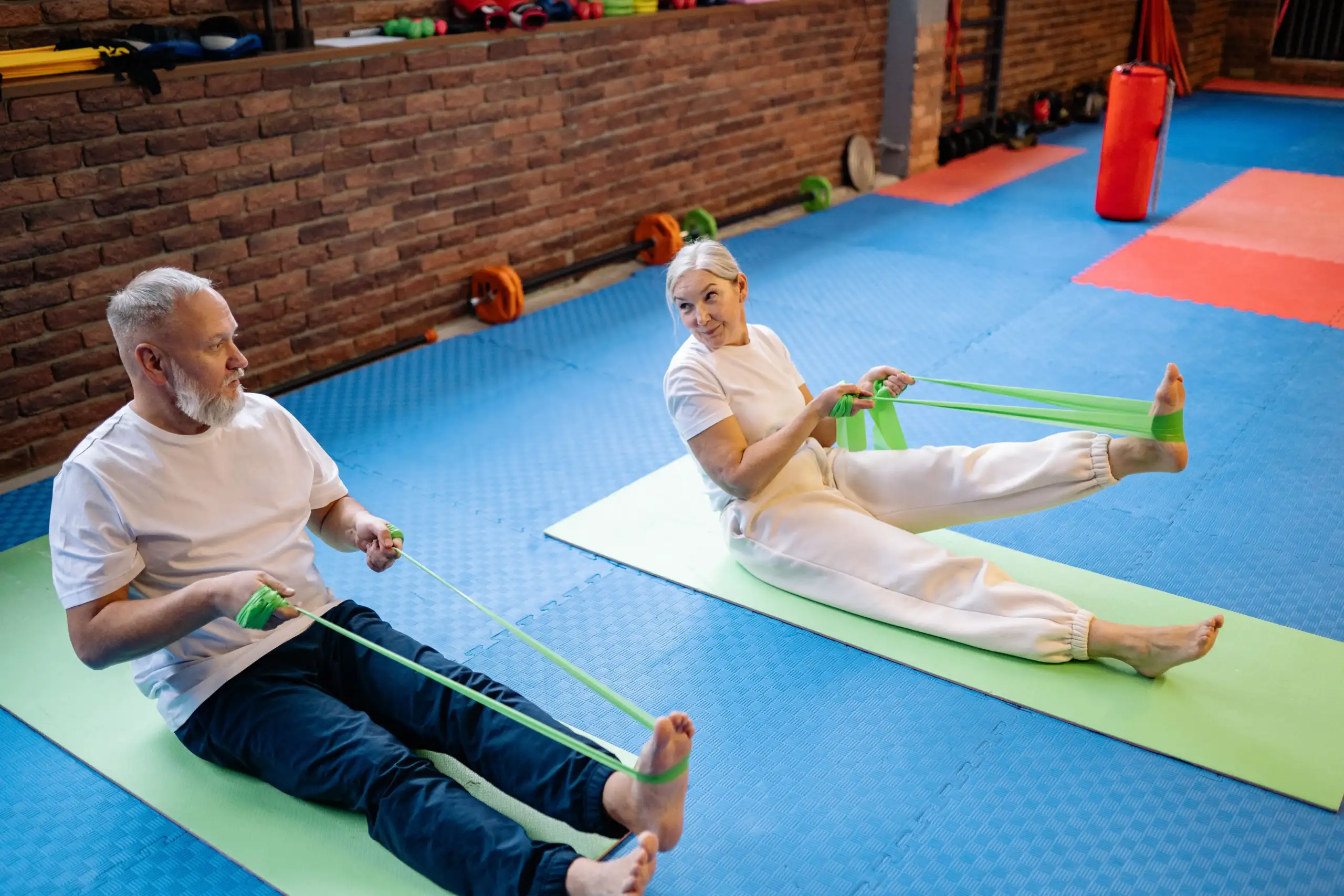
Movement is arguably the single highest-leverage habit on any list of healthy aging tips. Muscle mass naturally declines with age, which affects strength, balance, and independence — but this decline can be slowed significantly with consistent activity. A well-rounded routine includes:
- Aerobic activity (walking, swimming, cycling) for heart and lung health
- Strength training at least twice a week to counter muscle loss
- Balance work to reduce fall risk
- Flexibility and mobility exercises to maintain range of motion
For a structured starting point, see our strength training exercises and plans or our core balance training guide.
What Should You Eat for Healthy Aging?
A diet rich in fruits, vegetables, whole grains, lean protein, and healthy fats supports muscle, bone, and brain health as you age.
Nutrition is one of the most talked-about healthy aging tips, and for good reason what you eat directly affects muscle preservation, immune function, and chronic disease risk. The National Institute on Aging notes that a varied diet including fresh produce, whole grains, healthy fats, and lean protein can help boost immunity and lower the risk of conditions like heart disease, high blood pressure, and type 2 diabetes. In my own family, simply swapping fried side dishes for roasted vegetables at dinner made a noticeable difference in energy levels within weeks.
How Much Sleep Do You Need as You Age?
Most older adults need 7–9 hours of quality sleep per night, though sleep patterns often shift with age.
Sleep is an underrated addition to any list of healthy aging tips. Poor sleep is linked to memory problems, weakened immunity, and mood disturbances, yet many people assume disrupted sleep is simply an inevitable part of getting older. In many cases, sleep quality can be improved with consistent bedtimes, reduced screen time before bed, and limiting caffeine or alcohol in the evening. If sleep problems persist, it’s worth discussing with a doctor rather than assuming nothing can be done.
Why Is Social Connection Important for Healthy Aging?
Strong social ties are linked to lower rates of depression, heart disease, and cognitive decline in older adults.
Isolation is one of the more overlooked risks in aging well. The National Institute on Aging points out that increased social isolation and loneliness are associated with higher risks of depression, heart disease, and cognitive decline. Practical ways to stay connected include:
- Scheduling regular calls or visits with family and friends
- Joining a club, class, or volunteer group tied to a personal interest
- Attending community or faith-based gatherings
- Taking a group fitness class instead of exercising alone

How Can You Keep Your Brain Sharp as You Age?
Mentally stimulating activities, physical exercise, quality sleep, and social engagement all support long-term cognitive health.
Cognitive health belongs on every serious list of healthy aging tips, since it directly affects independence and quality of life. Activities like reading, learning a new skill, doing puzzles, or picking up an instrument keep the brain engaged, while physical exercise increases blood flow that supports brain function. According to Mayo Clinic, staying physically active, eating a healthy diet, and remaining socially and mentally engaged are all associated with better cognitive outcomes later in life.
What Preventive Health Screenings Matter Most for Healthy Aging?
Regular blood pressure, cholesterol, cancer, bone density, and vision/hearing checks help catch problems early.
Preventive care is one of the least glamorous but most impactful healthy aging tips. Many age-related conditions — high blood pressure, osteoporosis, certain cancers, vision and hearing decline — are far easier to manage when caught early. Scheduling annual checkups and staying current on age-appropriate screenings gives you and your doctor a chance to address small issues before they become bigger ones.
Can Healthy Aging Tips Help Prevent Chronic Disease?
Yes, physical activity, a balanced diet, adequate sleep, and preventive care collectively lower the risk of heart disease, diabetes, and certain cancers.
None of these healthy aging tips work in isolation to prevent disease, but together they meaningfully shift long-term risk. Research consistently links an active lifestyle and nutrient-dense diet to lower rates of cardiovascular disease, type 2 diabetes, and some cancers. The compounding effect of consistent habits — not any single “miracle” behavior, is what drives these outcomes.
How Do You Start Building Healthy Aging Habits Today?
Pick one habit, like a daily 15-minute walk or an earlier bedtime, and build consistency before adding more.
The most sustainable approach to healthy aging tips is starting small. Trying to overhaul your diet, sleep, exercise, and social life all at once usually backfires. Instead:
- Choose one habit that feels manageable this week
- Track it for two to three weeks until it feels automatic
- Add a second habit once the first sticks
- Revisit your list of healthy aging tips periodically and adjust as your needs change
For a full weekly structure to build on, see our weekly workout routine guide.
Frequently Asked Questions
What is the single most important healthy aging tip?
There isn’t one but regular physical activity has the broadest impact, supporting muscle, heart, brain, and bone health simultaneously.
Is it too late to start healthy aging habits after 60?
No. Research consistently shows meaningful health benefits from starting exercise, nutrition, and social habits at any age.
How often should older adults exercise?
Most guidelines recommend at least 150 minutes of moderate aerobic activity weekly, plus two days of strength training.
Key Takeaways
Healthy aging tips work best as a connected system: movement, nutrition, sleep, social connection, and preventive care.
Muscle-preserving exercise and a nutrient-dense diet have some of the largest individual impacts.
Small, consistent habits outperform occasional, intense changes.
It’s never too late to start benefits appear at any age.
Conclusion
Healthy aging tips aren’t about chasing a single trick or supplement they’re about layering small, sustainable habits across movement, food, sleep, connection, and preventive care. Start with one change, stay consistent, and let the habits compound over months and years, not days. Ready to put these healthy aging tips into practice? Explore our strength training exercises and plans, our core balance training guide, or head back to our homepage for more guides on aging well.
