


Strength training is one of the most effective ways to improve health, fitness, and body composition. Whether you are a beginner, a runner, a senior, or someone aiming to lose weight, there is a tailored strength training plan for every need. This blog provides a complete guide, covering equipment, exercises, routines, and the benefits of strength training.
-
What Equipment Do You Need for Strength Training?
Free weights (dumbbells, barbells, kettlebells), resistance machines, bands, and bodyweight tools (pull-up bars, yoga mats). A mix of these allows variety in your workouts. Before starting, the right equipment can enhance your results:
- Free Weights: Dumbbells, barbells, and kettlebells.
- Resistance Machines: Common in gyms, targeting specific muscle groups.
- Bands: Lightweight, portable, and perfect for beginners or home training.
- Bodyweight Tools: Pull-up bars, dip stations, and yoga mats.
Having a mix of equipment allows variety in your strength training workouts.
-
How to Use Resistance Bands for Strength Training?
Bands are great for increasing flexibility and mobility. Exercises include band squats, band rows, lateral walks, and hip thrusts. They are especially useful for beginners. Resistance bands are excellent for:
- Increasing flexibility and mobility.
- Providing low-impact resistance.
- Training at home or while traveling.
Exercises include band squats, band rows, lateral walks, and hip thrusts. Bands are especially useful for seniors and beginners.
-
How Does Strength Training Benefit Runners?
It enhances endurance and reduces injury risk. Focus on legs (squats, lunges, calf raises), core (planks, Russian twists), and upper body (push-ups, rows) for balanced strength. Runners benefit from training because it enhances endurance and reduces injury risk. Key focus areas:
- Legs: Squats, lunges, and calf raises.
- Core: Planks and Russian twists for stability.
- Upper Body: Push-ups and rows for balanced strength.
-
Can Strength Training Help with Weight Loss?
Yes. It burns calories and boosts metabolism. Focus on compound movements (deadlifts, squats, push presses) and circuit-style workouts. Combine with a balanced diet for best results. Training burns calories during and after exercise by boosting metabolism. For fat loss:
- Focus on compound movements like deadlifts, squats, and push presses.
- Use circuit-style strength training workouts.
- Combine with a balanced diet for maximum results.
-
What Are the Most Effective Strength Training Exercises?
Squats, deadlifts, bench press, rows, shoulder press, and glute bridges are among the best. These compound exercises build strength, muscle, and functional fitness. Some of the most effective exercises include:
- Squats
- Deadlifts
- Bench press
- Rows
- Shoulder press
- Glute bridges
-
What Are the Best Exercises for Strong Hips?
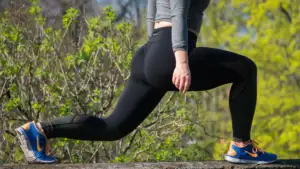
Hip thrusts, glute bridges, lateral band walks, and Bulgarian split squats improve stability, power, and posture while preventing injuries. Strong hips are essential for stability and athletic performance. Key exercises:
- Hip thrusts
- Glute bridges
- Lateral band walks
- Bulgarian split squats
These improve posture, power, and prevent injuries.
-
Can You Do Effective Strength Training at Home?
Yes. Use bodyweight (push-ups, squats, planks), resistance bands, and household items (water bottles, chairs) for effective home workouts without gym equipment. For those without gym access, home workouts are highly effective. Options include:
- Bodyweight: Push-ups, squats, planks.
- Bands: Rows, kickbacks, shoulder raises.
- Household Items: Water bottles as dumbbells, chairs for dips.
-
What Does a Basic Strength Training Plan Look Like?
Day 1: Upper body focus. Day 2: Lower body and hips. Day 3: Full-body workout. Day 4: Rest or light cardio. Adjust based on your goals and fitness level. A structured plan ensures progress:
- Day 1: Upper body focus.
- Day 2: Lower body and hips.
- Day 3: Full-body workout.
- Day 4: Rest or light cardio.
-
What Is a Good Strength Training Plan for Women?
Women benefit from squats, lunges, push-ups, presses, planks, and side crunches. This builds muscle, burns fat, strengthens bones, and improves overall fitness. Women often focus on toning, but an exercise training plan for women also builds muscle, burns fat, and strengthens bones. Recommended exercises:
- Squats and lunges for the lower body.
- Push-ups and presses for the upper body.
- Core-focused planks and side crunches.
An exercise routine for women is highly effective for shaping and maintaining a healthy physique.
-
How Can Seniors Safely Do Strength Training?
Seniors gain mobility and bone strength from seated leg extensions, wall push-ups, light dumbbell curls, and band-assisted movements. Start slowly and focus on safety. Seniors gain mobility, bone strength, and independence from resistance workouts. Ideal choices:
- Seated leg extensions.
- Wall push-ups.
- Light dumbbell curls.
- Band-assisted movements.
-
How Should Beginners Start Strength Training?
Begin with 2–3 sessions per week. Focus on form over weight, start with bodyweight and bands, and gradually add dumbbells and kettlebells as you build strength. Beginners should start gradually to build strength and prevent injury:
- 2–3 sessions per week.
- Focus on form before weight.
- Begin with bodyweight and bands.
- Slowly add dumbbells and kettlebells.
-
What Are the Best Kettlebell Exercises?
Kettlebell swings for explosive power, goblet squats for legs and core, Turkish get-ups for stability, and overhead press for shoulders. Kettlebells are versatile and effective. Kettlebells are versatile and effective:
- Kettlebell swings for explosive power.
- Goblet squats for legs and core.
- Turkish get-ups for stability.
- Overhead press for shoulders.
-
Are Strength Training Classes Beneficial?
Yes. Group kettlebell classes, functional training sessions, and app-based classes offer guidance, motivation, and structured routines to keep you accountable. Joining a class offers guidance, motivation, and structured routines. Popular options include:
- Group kettlebell classes.
- Functional training sessions.
- Strength training app-based classes for home users.
Classes ensure accountability and correct technique.
-
What Should Women Over 50 Focus On in Strength Training?
Low-impact full-body sessions, upper body and glute training, and moderate weights with higher repetitions help fight bone loss, maintain strength, and improve health. Women over 50 benefit greatly from resistance workouts to fight bone loss and maintain strength. Recommended:
- Low-impact full-body sessions.
- Strength training the upper body and glutes.
- Moderate weights with higher repetitions.
-
What Are the Main Benefits of Strength Training?
Increased muscle strength, better fat loss, improved posture, stronger bones and joints, and reduced risk of chronic illness. It enhances overall health and quality of life. The benefits are wide-ranging:
- Increased muscle strength.
- Better fat loss and body composition.
- Improved posture and balance.
- Stronger bones and joints.
- Reduced risk of chronic illness.
-
What Are the Best Exercises for Glute Strength?
Hip thrusts, step-ups, deadlifts, and band kickbacks are highly effective for building glute strength, improving appearance, and boosting athletic performance. Glute strength boosts performance and appearance. Effective moves include:
- Hip thrusts.
- Step-ups.
- Deadlifts.
- Band kickbacks.
Conclusion
Strength training is not limited to athletes—it benefits everyone. From beginners to seniors, women over 40 and 50, and even runners, resistance workouts improve fitness, strength, and overall well-being. By following a structured strength training plan and incorporating different equipment, you can achieve sustainable results and long-term health.
