


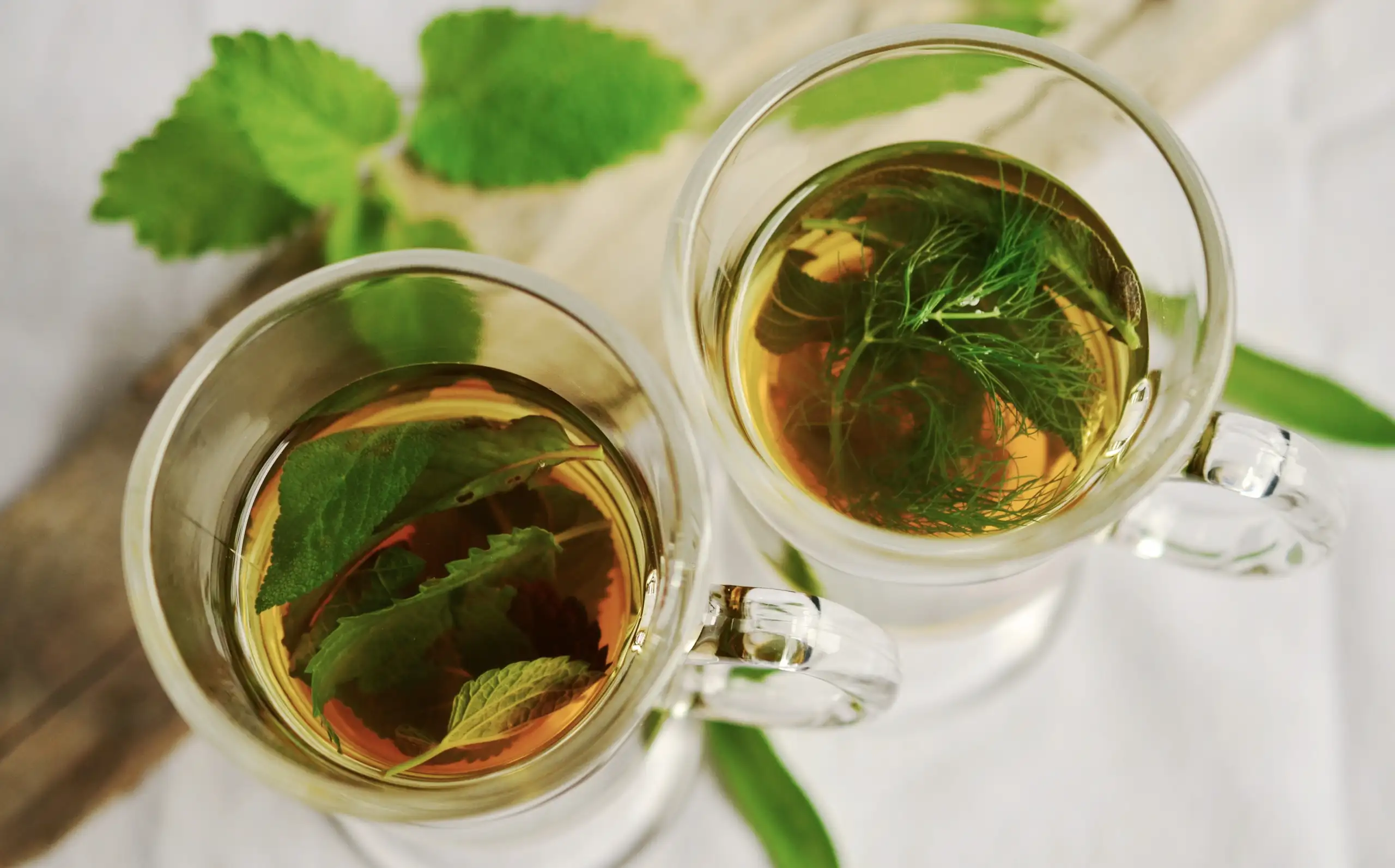
A large study published this month adds new evidence to a question people keep asking: does the tea you drink actually matter for your heart health? The researchers found that people who drank tea regularly had about an 11% lower risk of cardiovascular and related vascular disease than people who didn’t, with black tea showing the most consistent link and green tea showing benefits too. They also found a surprising warning about very hot tea. This guide breaks down what green, black, and hibiscus tea can and can’t do for heart health, how much is reasonable, and who should talk to a doctor first.
No single tea is proven “best” for heart health, but three have the most support: hibiscus tea has the strongest trial evidence for modestly lowering blood pressure, while green and black tea are linked in large observational studies to lower cardiovascular risk. Tea works best as one habit alongside exercise, sleep, and a balanced diet, and it never replaces blood pressure medication.
What Does Research Say About Tea and Heart Health in 2026?
A large October 2026 study linked regular tea drinking to about 11% lower cardiovascular risk, but it shows association, not proof of cause.
The new study, led by Zichen Ye and colleagues and published in the Journal of Internal Medicine (DOI 10.1111/joim.70172), followed tens of thousands of people and reported that habitual tea drinkers had lower rates of cardiovascular and related vascular conditions. According to CNN’s coverage of the findings, black tea showed more consistent links to lower risk than green tea, and the lowest risk appeared among tea drinkers who didn’t smoke and were physically active. The authors caution that this is an observational study, that the risk reduction is relative, and that some of the more striking findings should be treated as exploratory. In other words, the result is encouraging for your heart, but tea is not a cure or a guarantee.
Which Tea Is Best for Heart Health: Green, Black, or Hibiscus?
Hibiscus has the best evidence for blood pressure, while green and black tea are linked to lower cardiovascular risk in large population studies.
Each tea offers something slightly different:
- Hibiscus tea (an herbal tea, caffeine-free): the strongest clinical trial evidence for modestly lowering blood pressure
- Green tea: associated with lower cardiovascular risk in several studies, and rich in plant compounds called catechins
- Black tea: the most consistent association with lower risk in the October 2026 study, though older research was mixed
The honest answer is that the “best” tea is the one you’ll drink consistently without added sugar. If your main concern is blood pressure, hibiscus has the most direct trial support. If you prefer a classic cup, green or black tea are reasonable choices. For a wider look at other options, see our guide to herbal teas.

How Does Green Tea Support Heart Health?
Green tea is linked to lower cardiovascular risk in observational studies, though research can’t yet prove it directly protects the heart.
Green tea is among the most studied teas for cardiovascular protection. The American Heart Association reported on an observational study in Japan and noted that the researchers couldn’t determine why green tea and coffee were linked to fewer deaths among stroke and heart attack survivors. Older reviews are also cautious: a meta-analysis in the American Journal of Clinical Nutrition described the association between green tea and coronary artery disease as tentative because few studies existed. Treat green tea as a healthy, low-risk habit rather than a proven treatment.
Is Black Tea Good for Heart Health?
Black tea showed consistent links to lower cardiovascular risk in a 2026 study, though earlier research found a weaker connection.
Black tea comes from the same plant as green tea, but processing changes its mix of plant compounds. The October 2026 study found black tea was linked to lower risk across more types of vascular disease than green tea. However, an earlier meta-analysis found no clear association between black tea and coronary artery disease. Studies disagree, which is a good reminder that tea is a helpful part of a heart-healthy pattern, not a standalone solution. Skip sugary additions, which can cancel out the benefit of an otherwise healthy drink.
Can Hibiscus Tea Lower Blood Pressure?
Yes, modestly. Trials suggest hibiscus tea lowers systolic blood pressure by roughly 7 mmHg on average, with large differences between studies.
Hibiscus is the tea with the most direct blood pressure evidence. A 2022 meta-analysis of 17 trials, available through the National Library of Medicine, found hibiscus lowered systolic blood pressure compared with placebo, with the biggest effects in people whose blood pressure was already elevated. Results varied widely between trials, so your own results may differ. A later dose-response review of 26 trials, published in a 2025 journal article, found larger effects at higher doses but also noted that long-term, high-dose use needs careful monitoring. Hibiscus tea is not a replacement for blood pressure medication, and it may add to the effect of those drugs, so talk to your doctor first if you take any.
Does the Temperature of Your Tea Affect Heart Health?
Very hot tea was linked to higher vascular risk in the 2026 study, so let your tea cool to a comfortable temperature.
One of the most surprising findings in the October 2026 research involved temperature. According to CNN, people who reported drinking their tea at a “burning hot” temperature had a 16% higher risk of vascular disease than people who didn’t drink tea regularly, while moderate-strength tea was associated with the lowest risk. The study was observational, and some of its findings are exploratory, but there’s no downside to letting your tea cool before sipping. This is an easy, free habit change.
How Many Cups of Tea a Day Are Good for Your Heart Health?
There’s no official target. One study saw the lowest risk at 6–8 cups daily, but its authors say that isn’t a recommended amount.
Among weekly tea drinkers in the 2026 study, the lowest estimated risk occurred at roughly six to eight cups a day, with risk rising again at higher intakes. The researchers specifically warned that this should not be read as a recommended intake. Trials on hibiscus have generally used a few cups a day. Because black and green tea contain caffeine, which can bother people with anxiety, sleep problems, or certain heart rhythm conditions, a moderate amount that fits your tolerance is the sensible approach. If sleep is a concern, see our sleep hygiene guide before adding late-day caffeine.

Who Should Be Careful With Tea for Heart Health?
People taking blood pressure medication or blood thinners, pregnant women, and anyone sensitive to caffeine should check with a doctor first.
Tea is gentle for most people, but there are situations that need extra care. Hibiscus can lower blood pressure, so combining it with blood pressure drugs may lower it too much. Caffeinated teas can affect sleep, anxiety, and heart health rate in sensitive people. And if you have a heart condition or take any prescription medication, ask your doctor or pharmacist before making tea a daily routine, since herbal products can interact with some drugs. Anyone with symptoms like chest pain, shortness of breath, or fainting should seek medical care rather than rely on tea. Heart health disease is also a leading cause of death for women, as we cover in our women’s health guide.
What Else Supports Heart Health Beyond Tea?
Regular exercise, a balanced diet, good sleep, not smoking, and routine checkups matter far more for heart health than any single drink.
The 2026 study itself found the lowest risk among tea drinkers who also didn’t smoke and were physically active, a reminder that tea is a supporting habit rather than the main event. Build your routine around the basics: regular movement, such as a morning exercise routine or a consistent strength training plan, plus balanced meals (our sports nutrition guide covers fueling in detail), enough sleep, and routine blood pressure and cholesterol checks. For long-term habits across decades, see our healthy aging tips.
Frequently Asked Questions
Is tea or coffee better for your heart?
Observational studies link both to lower cardiovascular risk, but neither is proven better. The best choice is the one that fits your caffeine tolerance, sleep, and any medications you take.
Can tea replace blood pressure medication?
No. Even hibiscus, the best-studied tea for blood pressure, produces modest reductions in trials. Never stop or change medication without talking to your doctor.
Does adding milk or sugar change the benefits?
Added sugar can offset the benefit of an otherwise healthy drink, so unsweetened tea is the better choice for heart health. Research on milk is mixed and less settled, so it’s reasonable to drink tea the way you enjoy it.
Key Takeaways
- A large October 2026 study linked regular tea drinking to about 11% lower cardiovascular risk, but it can’t prove cause and effect.
- Hibiscus has the strongest evidence for modestly lowering blood pressure, while green and black tea are linked to lower cardiovascular risk in population studies.
- Very hot tea was associated with higher vascular risk, so let it cool first.
- Tea supports heart health best alongside exercise, good sleep, a balanced diet, and regular checkups, and it never replaces medication.
Conclusion
The best tea for heart health in 2026 is less about finding a magic leaf and more about choosing one you enjoy and drinking it in a sensible way: unsweetened, not scalding hot, and in amounts that suit your body. Hibiscus has the clearest edge for blood pressure, while green and black tea have encouraging links to lower cardiovascular risk. Pair your cup with regular exercise, quality sleep, and routine checkups, and talk to your doctor if you take medication or have a heart condition. Ready to build the bigger picture? Explore our herbal teas guide or head back to our homepage for more wellness resources.
