


Introduction
Walk into any gym, and you will see them: cans of energy drinks sitting next to water bottles. They promise focus and a pre-workout push, so it is fair to ask whether they come at a cost to your heart. The honest answer is more nuanced than the headlines. In July 2026, the American Heart Association published a major scientific statement in Circulation concluding that moderate caffeine from coffee is safe for most adults, but the high doses in energy drinks may be harmful. This guide explains what studies actually found, who faces the highest risk of heart problems, and how to get energy more safely. It is general education, not medical advice.
Can Energy Drinks Cause Heart Problems?
Energy drinks can raise blood pressure and affect heart rhythm, especially in large amounts or in vulnerable people. A single occasional can is unlikely to harm most healthy adults.
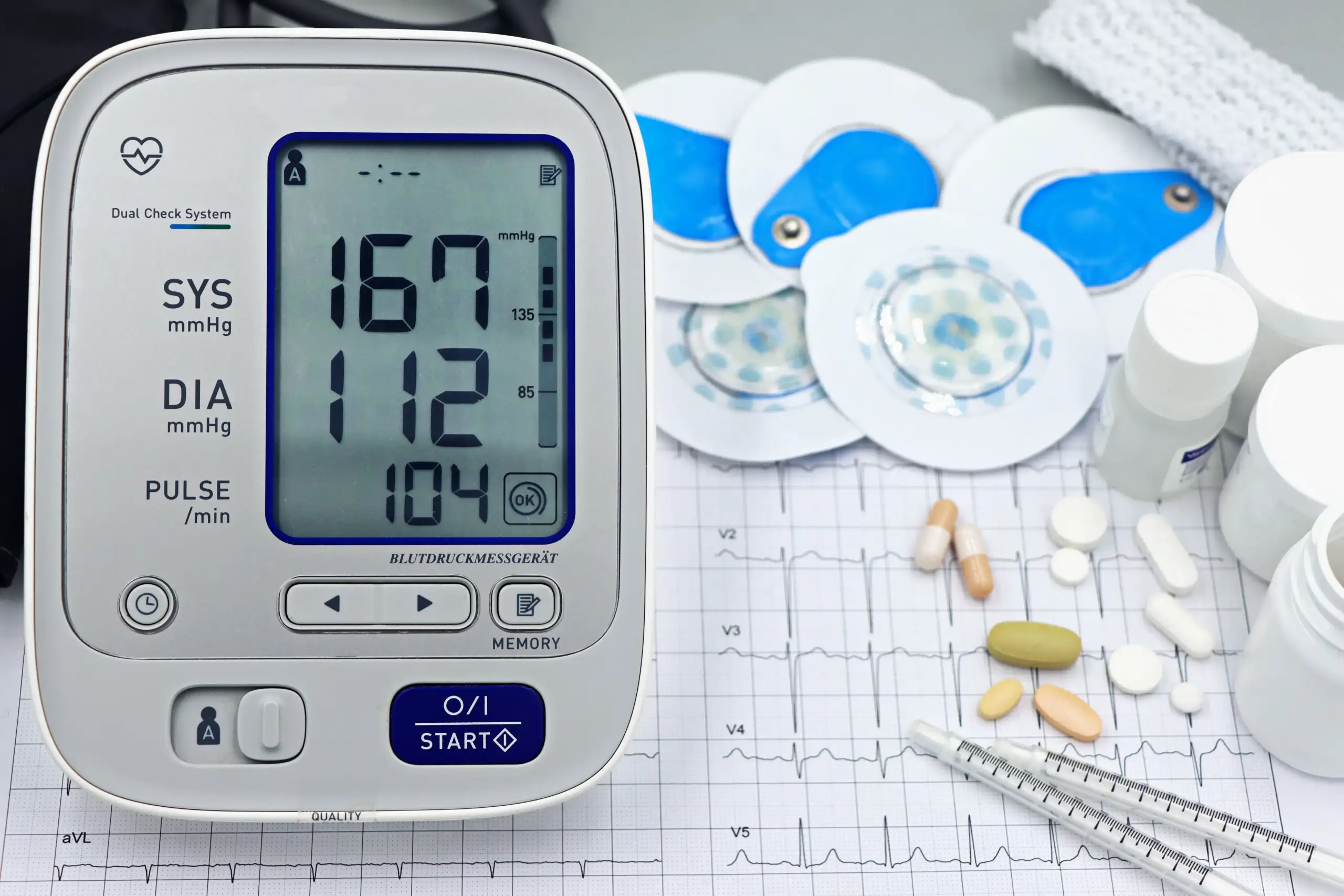
The strongest evidence shows short-term effects. In a controlled trial published in the Journal of the American Heart Association, 34 healthy volunteers aged 18 to 40 drank 32 ounces of an energy drink within an hour. Four hours later, their heart’s QT interval, a measure of electrical recovery between beats, was about 6 milliseconds longer than after a placebo, and their blood pressure had risen by roughly 4 to 5 points. The researchers noted that the findings could not be explained by caffeine alone, and that the study says nothing about long-term or routine use. EHS Today summarises the findings.
What Does the Latest Research Say About Energy Drinks and the Heart?
The AHA’s July 2026 statement links high caffeine doses from energy drinks to higher blood pressure and irregular rhythm risk, while calling for more rigorous trials.
Key points from the AHA’s announcement and the full statement in Circulation:
- Up to 400 mg of caffeine per day is safe for most adults and does not raise cardiovascular risk when it comes from plain coffee.
- Very high doses, like those in energy drinks and shots, have been linked to abnormal heart rhythm even in people usually considered low-risk, such as healthy adults under 30.
- Energy drinks often contain other ingredients that may speed up caffeine absorption and raise blood pressure further.
- Most caffeine studies are observational and cannot prove cause and effect, and caffeine was left out of the AHA’s 2026 dietary guidance because rigorous data are limited.
A separate Mayo Clinic study of 144 sudden cardiac arrest survivors found that 7 of them (5%) had consumed an energy drink close to the event. It did not prove the drinks caused the arrests, but the authors advised people with inherited heart problems or rhythm conditions to be cautious.
How Much Caffeine Is in an Energy Drink Compared to Coffee?
Brewed coffee has roughly 9 to 21 mg of caffeine per ounce. Energy shots can reach 40 to 69 mg per ounce, so a small bottle can rival several cups.
The concentration matters as much as the total. The drinks in the JAHA trial contained about 304 to 320 mg of caffeine per 32 ounces, while a single 16-ounce can in another report held 160 mg. Because energy drinks are cold, sweet, and easy to finish quickly, people often take in a large dose within minutes. The FDA’s caffeine guidance and the Mayo Clinic’s caffeine guide both use 400 mg a day as the benchmark for healthy adults. Check the label, because some cans contain two servings.
What Heart Problems Can Energy Drinks Trigger?
Reported effects include a faster heart rate, palpitations, raised blood pressure, abnormal rhythm changes, and, rarely, cardiac events in people predisposed to them.
In order of how well supported they are:
- Higher blood pressure: well documented in trials, especially in people who already have hypertension.
- Palpitations and faster heartbeat: common short-term effects of caffeine, noted by the AHA.
- QT interval changes: measurable lengthening of the heart’s electrical recovery time after large amounts.
- Atrial fibrillation and other arrhythmias: reported in case studies, including after very high daily intake.
- Cardiac arrest: rare, and mostly described in people with undiagnosed or genetic heart rhythm disorders.
Context helps here. Some researchers argue that for most healthy people, moderate use is no more dangerous than coffee, and that the problems arise with excessive, rapid, or combined use. Science Focus reported the QT findings alongside that caveat.
What Warning Signs Should You Never Ignore?
Chest pain, fainting, a racing or irregular heartbeat, severe breathlessness, or sudden dizziness after an energy drink need urgent medical attention.
Treat any of the following as possible heart problems until a clinician says otherwise. Call emergency services or go to urgent care if you experience:
- Chest pain, pressure, or tightness
- A very fast heartbeat, pounding, or skipping that doesn’t settle
- Fainting or near-fainting
- Severe shortness of breath
- Sudden weakness, confusion, or a severe headache
Milder symptoms such as jitteriness, trouble sleeping, or occasional palpitations are signs you are taking in more caffeine than your body tolerates. Cut back and talk with your doctor if they persist.
Who Is Most at Risk of Heart Problems From Energy Drinks?
People with high blood pressure, inherited rhythm disorders like long QT syndrome, existing heart problems, or who take stimulant medications face the highest risk.
Take particular care if you:
- Have diagnosed hypertension, arrhythmia, heart failure, or a family history of sudden cardiac death
- Have congenital or acquired long QT syndrome
- Take ADHD stimulants, decongestants or other medicines that affect heart rate
- Drink energy drinks quickly, in large volumes, or mix them with alcohol
- Are a teenager or young adult, since this group consumes them most and pediatric experts advise against them
- Are pregnant or have been told to limit caffeine
Anyone in these groups should ask their doctor before drinking any, since heart problems can stay silent until a trigger appears. The AHA also reminds readers that people vary widely in how they metabolize caffeine, depending on genetics, age, medications, and habit, so there is no one-size-fits-all safe dose.
Are Energy Drinks Safe Before a Workout?
Not necessarily. Exercise already raises heart rate and blood pressure, so adding a high-caffeine drink stacks the load. Most people perform well on far less caffeine.
If you train regularly, you can usually get a performance boost without a large stimulant dose. A cup of coffee or a modest, measured caffeine serving fits well within the 400 mg ceiling. Avoid combining multiple caffeine sources, such as an energy drink plus a stimulant-heavy pre-workout powder. Build your base from the fundamentals instead: a solid weekly workout routine, well-planned strength training, and adequate protein from a quality protein powder if you need convenience. If you have a known risk of heart problems, check with your doctor before using any stimulant pre-workout. If you feel your heart racing or become lightheaded mid-session, stop and rest.
How Much Is Too Much, and Are There Safer Ways to Get Energy?
Stay under 400 mg of caffeine a day from all sources, skip energy shots, and rely on sleep, food, water, and energy training.
Practical ways to lower your risk of heart problems while staying alert:
- Read the label and total your daily caffeine, including coffee, tea, soda, and supplements.
- Sip, don’t chug. Avoid finishing a large can within minutes.
- Don’t mix energy drinks with alcohol or other stimulants.
- Prioritise sleep. Chronic tiredness is the usual reason people reach for caffeine; see our guide to better sleep and recovery (replace with your real URL).
- Hydrate and eat regularly. Low blood sugar and dehydration mimic fatigue; see our hydration guide (replace with your real URL) and energy-boosting foods (replace with your real URL).
- Know your numbers. Get your blood pressure checked, and ask your doctor if you have any heart condition. Explore our heart-healthy exercise tips (replace with your real URL) and return to the Fitness Groom homepage for more.
Frequently Asked Questions
Are energy drinks bad for your heart?
In large amounts or in people with heart conditions, yes, they can raise blood pressure, affect rhythm, and worsen existing heart problems. Occasional moderate use is lower risk for healthy adults.
How many energy drinks a day is safe?
There’s no official energy-drink limit. The AHA says up to 400 mg of caffeine a day is safe for most adults but advises avoiding high-dose energy drinks and shots.
Can an energy drink cause a heart attack?
Rare cases are reported, mostly in people with underlying conditions or extreme intake. Studies have not proven that a typical serving causes one.
Are energy drinks worse than coffee?
Per ounce they can contain far more caffeine and other stimulant ingredients, and they are consumed faster. Plain coffee has stronger evidence of safety.
Can energy drinks cause heart palpitations?
Yes. Caffeine commonly causes palpitations, and the AHA lists them among its short-term effects.
Conclusion
The evidence tells a measured story. Energy drinks can raise blood pressure and alter heart rhythm markers within hours, and the AHA’s 2026 statement recommends avoiding the high caffeine doses they deliver. At the same time, serious events are rare and mostly tied to heavy intake or existing conditions, and long-term data are still limited. The practical takeaway: know your caffeine total, avoid energy shots, and don’t mix stimulants. If you have heart problems, take stimulant medication, or notice palpitations, speak with your doctor before your next can.
