


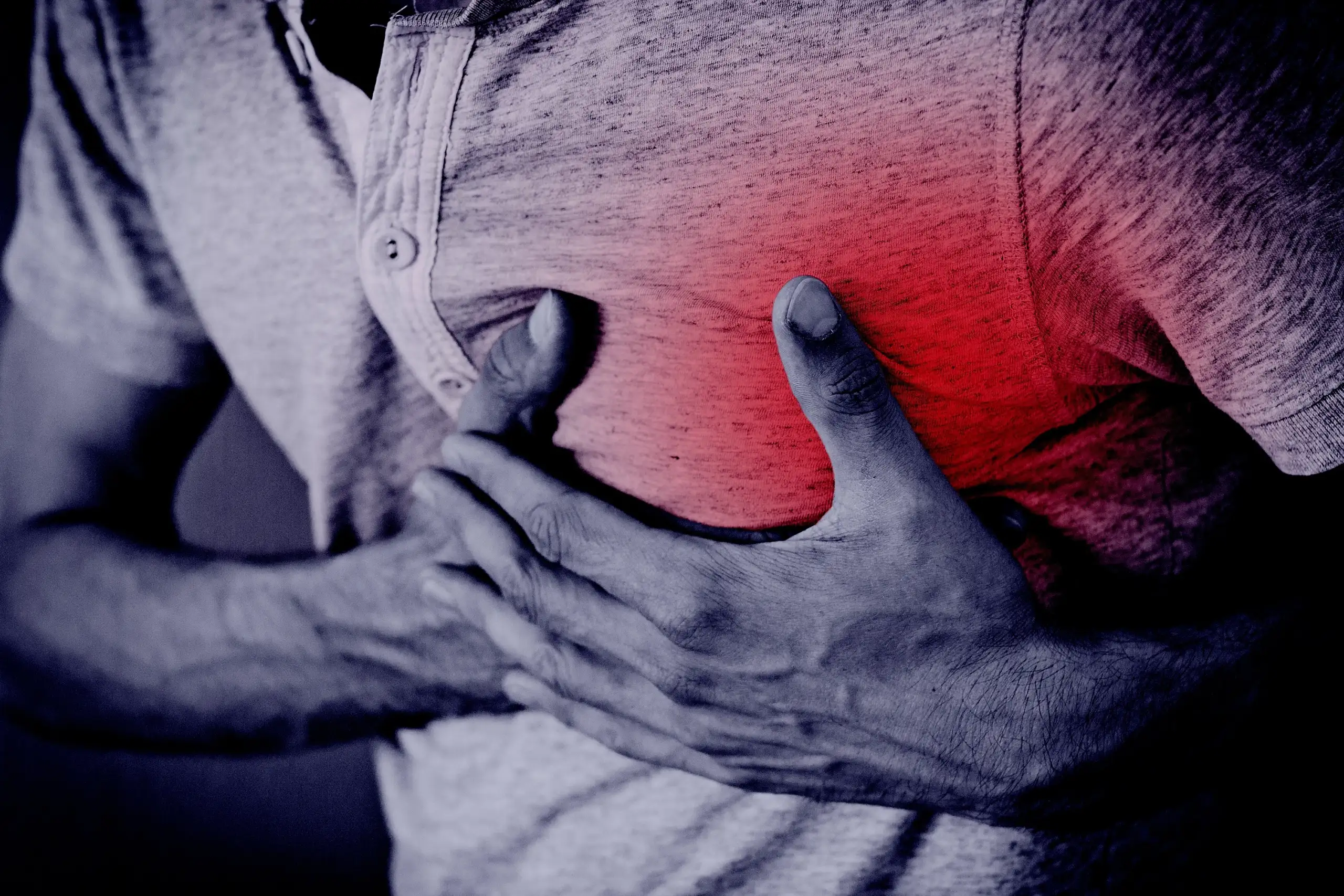
According to the American Heart Association, a heart attack strikes someone in the United States about every 40 seconds, and many people lose precious time because the signs are mild, confusing, or easy to blame on something else. Knowing the warning signs ahead of time is one of the few things that can change what happens next. This guide covers the symptoms, when to call for help, what causes the problem, who is at higher risk, and how to lower your chances, based on guidance from Mayo Clinic, the American Heart Association, and the CDC.
What Is a Heart Attack?
It happens when blood flow to part of the heart is severely reduced or blocked, which can damage or destroy heart muscle.
The medical term is myocardial infarction. Most of the time, the cause is a buildup of fatty, cholesterol-rich deposits called plaque inside the coronary arteries, a process called atherosclerosis, as the Mayo Clinic explains. If a plaque tears open, a clot can form and block the artery. Without blood and oxygen, the affected muscle starts to die, so fast treatment is essential. This is always a medical emergency.
What Are the Symptoms of a Heart Attack?
Chest pressure or pain is most common, but shortness of breath, nausea, cold sweat, fatigue, or arm, jaw, or back pain can also occur.
Common symptoms include:
- Chest pressure, tightness, squeezing, fullness, or aching
- Pain or discomfort that spreads to the shoulder, arm, back, neck, jaw, teeth, or upper belly
- Shortness of breath, with or without chest discomfort
- A cold sweat
- Nausea or vomiting
- Lightheadedness or sudden dizziness
- Unusual fatigue
- Heartburn or indigestion-like discomfort
- Fainting
The American Heart Association says chest discomfort is the most common heart attack symptom, typically in the center of the chest, lasting more than a few minutes or going away and coming back. Symptoms vary a lot. Some people have mild signs, and some have none at all, which Cleveland Clinic notes is sometimes called a silent event. Women, older adults, and people with diabetes are more likely to have subtler symptoms, such as nausea, shortness of breath, or brief pain in the neck, jaw, or back. Many people also get warning signs hours, days, or even weeks ahead. Chest pressure (angina) that keeps returning and doesn’t ease with rest can be an early warning.
When Should You See a Doctor?
Call 911 right away. Don’t wait to see if symptoms pass, and don’t drive yourself unless there’s no other option.
If you think you’re having a heart attack, call 911 or your local emergency number immediately. Emergency crews can begin treatment on the way and alert the hospital. Mayo Clinic advises these steps:
- Call 911 first. If no emergency service is available, have someone drive you to the nearest hospital. Drive yourself only if there’s no other choice.
- Take nitroglycerin only if a health care provider has prescribed it, and follow the instructions.
- Take aspirin only if a provider or the emergency operator says to. Aspirin can interact with other drugs, and it should never delay your call.
What Should You Do If Someone Else May Be Having a Heart Attack?
Call 911 first. If the person isn’t breathing or has no pulse, start hands-only CPR: push hard and fast in the center of the chest.
If the person is unconscious, call 911, then check for breathing and a pulse. If you find neither, begin CPR. If you haven’t been trained, use hands-only CPR, pushing hard and fast at about 100 to 120 compressions a minute until help arrives. If you’re trained and confident, give 30 compressions followed by two rescue breaths and repeat. The Mayo Clinic first aid guide walks through each step.
What Causes a Heart Attack?
Most are caused by coronary artery disease, where plaque narrows the arteries and a clot blocks blood flow to the heart.
Coronary artery disease causes most cases. Doctors often describe the type using an electrocardiogram (ECG). A complete blockage of a medium or large artery usually produces an ST-elevation myocardial infarction (STEMI), while a partial blockage often produces a non-ST-elevation myocardial infarction (NSTEMI), although some NSTEMIs involve a total blockage. Not every case comes from a blocked artery. Other causes include:
- Coronary artery spasm, a severe squeezing of a heart artery
- Infections, such as COVID-19 and other viral illnesses, that damage heart muscle
- Spontaneous coronary artery dissection (SCAD), a tear inside a heart artery
- Stimulant drugs, such as cocaine and amphetamines, which can trigger artery spasm
What Are the Risk Factors for a Heart Attack?
Age, smoking, high blood pressure, high cholesterol, diabetes, obesity, family history, inactivity, and an unhealthy diet raise the risk.
According to the Mayo Clinic, risk factors include:
- Age: risk rises from about age 45 and tends to increase after menopause
- Tobacco use, including long-term exposure to secondhand smoke
- High blood pressure, which can damage the arteries over time
- High LDL cholesterol, lipoprotein(a), or triglycerides
- Obesity, diabetes, and metabolic syndrome
- Family history: a brother, sister, or parent with an early event, before 55 in males or 65 in females
- Not enough exercise and a diet high in sugar, animal fats, processed foods, trans fats, and salt
- Stress, including extreme anger
- Illegal drug use, particularly stimulants
- A history of preeclampsia or an autoimmune condition such as lupus or rheumatoid arthritis
The CDC says high blood pressure, high cholesterol, and smoking are key risk factors for heart disease, and about half of people in the U.S. have at least one. Heart disease is also the leading cause of death for women, as we explain in our women’s health guide. Stimulants matter too: see our guide to energy drinks and the heart.
What Are the Possible Complications?
Damage to heart muscle can lead to irregular heart rhythms, heart failure, or sudden cardiac arrest.
Complications usually come from the muscle damage:
- Arrhythmias: damage can disrupt the heart’s electrical signals and change the heartbeat
- Heart failure: extensive damage can leave the heart unable to pump enough blood, either temporarily or long term
- Cardiac arrest: the heart suddenly stops, a life-threatening complication that needs immediate treatment
Cardiac arrest isn’t the same thing as a blocked artery, but one can lead to the other, and both need 911.
How Can You Prevent a Heart Attack?
Don’t smoke, stay active, keep a healthy weight, eat a heart-healthy diet, limit alcohol, and control blood pressure, cholesterol, and blood sugar.
Lifestyle changes can keep your heart healthy and lower your risk:
- Don’t smoke, use tobacco, or vape.
- Move regularly. A morning exercise routine or consistent strength training helps with weight, blood pressure, and stress.
- Eat well. Choose fruits, vegetables, fiber, and healthy oils, and see our sports nutrition guide and our guide to the best tea for heart health.
- Maintain a healthy weight and limit alcohol.
- Sleep well. Our sleep hygiene guide helps.
- Get regular checkups to track blood pressure, cholesterol, and blood sugar, as covered in our healthy aging tips.
Frequently Asked Questions
Can you have a heart attack without chest pain?
Yes. Some people feel only shortness of breath, nausea, fatigue, or pain in the jaw, back, or arm, and some have no symptoms.
Do heart attack symptoms differ in women?
Chest pain is still the most common sign, but women are somewhat more likely than men to report shortness of breath, nausea or vomiting, and back or jaw pain, according to the American Heart Association.
Is cardiac arrest the same thing?
No. A blocked artery damages heart muscle, while cardiac arrest is when the heart suddenly stops beating. The first can lead to the second, and both need 911.
Key Takeaways
- Chest pressure is the most common sign, but nausea, shortness of breath, cold sweat, fatigue, and jaw, back, or arm pain can also occur.
- Call 911 immediately, and don’t take aspirin unless a provider or emergency operator says to.
- Most cases are caused by plaque and clots in the coronary arteries, and smoking, high blood pressure, and high cholesterol are leading risk factors.
- Not smoking, regular exercise, a healthy diet, and regular checkups lower your risk.
Conclusion
Learning the signs of a heart attack takes a few minutes and can save a life, yours or someone else’s. Remember that symptoms can be subtle, that women, older adults, and people with diabetes often have less obvious signs, and that calling 911 is always the right first step. Pair that knowledge with daily habits that protect your heart, and keep up with routine checkups. For more wellness guides, visit our homepage.
