


Share This Article
One of the most well-liked health trends worldwide is intermittent fasting. Intermittent fasting—especially the 16/8 method—offers a sustainable approach to improving overall health, regardless of your objective of weight loss, increased metabolism, or improved focus.
What Is Intermittent Fasting 16/8 and How Does It Work?
Intermittent fasting 16/8 involves fasting for 16 hours and eating within an 8-hour window daily. It’s an eating pattern, not a diet, that helps regulate insulin and burn fat. Intermittent fasting (IF) is not a diet, but an eating pattern that cycles between periods of eating and fasting. The 16/8 method entails eating only during an eight-hour window and fasting for 16 hours per day. For example, you might eat between 12 PM and 8 PM, and fast from 8 PM to 12 PM the next day.
Why Does the 16/8 Intermittent Fasting Method Work?
It gives your body time to burn fat stores, regulate insulin levels, and repair cells. By limiting eating hours, you naturally consume fewer calories, aiding weight loss. This fasting method gives your body time to burn fat stores, regulate insulin levels, and repair cells. You naturally consume fewer calories when you limit the hours you eat, which aids in weight loss.
What Are the Proven Benefits of Intermittent Fasting?
Benefits include weight loss, improved brain health, better heart health, cellular repair (autophagy), hormone regulation, and reduced mindless snacking and binge eating. The following are some scientifically proven advantages of intermittent fasting:
- Weight Loss & Fat Burn: Fasting boosts metabolism and triggers fat-burning hormones.
- Improved Brain Health: Enhances brain function and may reduce Alzheimer’s risk.
- Heart Health: Lowers blood sugar, cholesterol, and inflammation levels.
- Cellular Repair: Helps autophagy, the body’s natural process for cleaning cells, work better.
- Regulate Hormone: Regulates hormone levels by keeping insulin and growth hormone in check.
- Better Eating Habits: Limits mindless snacking and binge eating.
What Are the Different Intermittent Fasting Schedules?
Popular schedules: 16/8 (12 PM–8 PM), 14/10 (beginners), 18/6 (experienced), 20/4 (advanced), and 5:2 diet. Choose one that fits your lifestyle.
Fasting Method | Eating Window | Who It’s Best For |
16/8 Method | 12 PM–8 PM | Most popular and easy to follow |
14/10 Method | 10 AM–8 PM | Beginners, women, older adults |
18/6 Method | 1 PM–7 PM | Experienced fasters |
20/4 (Warrior Diet) | 4 PM–8 PM | Advanced level |
5:2 Diet | 5 days normal | 2 days at 500-600 cal/day |
What Should Women Know About Intermittent Fasting?
Women may respond better to 14/10. Avoid fasting during menstruation, listen to your body, and prioritize nutrient-dense meals with iron and protein. Consult a doctor for PCOS or pregnancy. Due to differences in hormones, women’s bodies react more strongly to fasting. Here are tips:
- Start with 14/10 instead of 16/8.
- Avoid fasting on days when you’re menstruating.
- Listen to your body: if fasting causes fatigue, adjust.
- Prioritize nutrient-dense meals with iron, protein, and healthy fats.
If you have PCOS, are pregnant, or have irregular menstrual cycles, always see a doctor.
How to Use Intermittent Fasting for Weight Loss?
Pair fasting with a low-carb, high-protein diet, fiber, and vegetables. Hydrate with water, black coffee, or herbal tea. Avoid processed foods and sugar during your eating window. Intermittent fasting is more long-lasting than traditional dieting for weight loss. The key is calorie balance and meal quality. Pair fasting with:
- A low-carb
- High-protein diet
- Plenty of fiber and vegetables
During a fast, hydrate with water, black coffee, or herbal tea. During your eating window, avoid processed foods and those high in sugar.
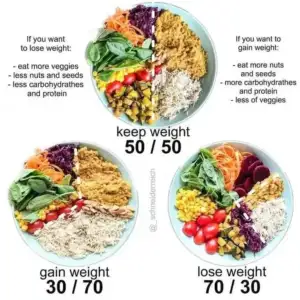
What Does a Sample 16/8 Intermittent Fasting Diet Plan Look Like?
12 PM: Protein + complex carbs + salad. 3:30 PM: Nuts/Greek yogurt + fruit. 7:30 PM: Salmon/lentils + veggies + quinoa. Stay hydrated with 2-3 liters of water. Here’s a sample intermittent fasting diet plan to get started:
12:00 PM – Breakfast
- Tofu or grilled chicken breast
- Either sweet potatoes or brown rice
- Olive oil, and a salad of mixed greens.
3.30 PM – Snack
- Handful of nuts or Greek yogurt
- A fruit (apple, banana)
7:30 PM – Dinner
- Salmon or lentils
- Steamed veggies (broccoli, carrots)
- Quinoa or a whole grain option
💧Stay hydrated with at least 2-3 liters of water throughout the day.
Does Intermittent Fasting Work for Everyone?
It works for most by reducing calorie intake and boosting metabolism. Results depend on age, gender, activity, diet quality, sleep, and stress. Consistency over 4–6 weeks is key. It does, for the most part. It reduces calorie intake, boosts metabolism, and improves fat burning. However, results differ depending on Age.
- Gender
- Activity level
- Diet quality
- Sleep & stress management
Consistency is key. Give yourself at least 4–6 weeks before evaluating results.
How to Use an Intermittent Fasting Chart to Plan Your Week?
A weekly chart helps track fasting hours, eating windows, planned meals, and water intake. It ensures consistency and helps you stay on track with your schedule.
Day | Fasting Hours | Eating Window | Meals Planned | Water Intake |
|
|
|
|
|
Monday | 8 PM–12 PM | 12 PM–8 PM | Lunch, Snack, Dinner | ✅ ✅ ✅ |
Tuesday | 8 PM–12 PM | 12 PM–8 PM |
Chart of Intermittent Fasting by Age
Tolerance to fasting is influenced by age. Here’s a general guideline:
Age Range | Recommended Fasting |
|
|
18–30 | 16/8 or 18/6 |
31–45 | 14/10 or 16/8 |
46–60 | 14/10 |
60+ | 12/12 or 14/10 |
Elderly individuals should consult a doctor before beginning fasting.
What Are the Dos and Don’ts of Intermittent Fasting?
Do: Stay hydrated, eat whole foods, be consistent, and exercise. Don’t: Binge eat, consume sugary drinks, fast if underweight or with an eating disorder. ✅ Dos
- Keep hydrated.
- Consume whole foods during the window for eating.
- Be consistent with the schedule.
- Regular exercise
❌ Don’ts
- Don’t binge eat when the fast ends
- Avoid sugary drinks and processed snacks
- Don’t fast if you’re underweight or have an eating disorder
What Are the Best Intermittent Fasting Apps?
Top apps include Zero, Fastic, Window, and Life Fasting Tracker. They offer fasting timers, reminders, progress tracking, hydration logs, and sometimes personalized coaching. Track your progress with these top-rated apps:
- Zero – Simple to use and supported by science.
- Fastic – Meal planning and hydration reminders
- Window – Flexible fasting schedules
- Life Fasting Tracker – Community support & analytics
These apps give you timers for fasting, reminders, a way to track your progress, and sometimes even personalized coaching.
Conclusion: Is Intermittent Fasting Right for You?
The 16/8 method of intermittent fasting, in particular, is a potent tool for weight loss, metabolic health, and lifestyle enhancement. It’s simple, flexible, and doesn’t require you to count calories obsessively.
Start slowly, be patient, and listen to your body. Combine fasting with clean eating, hydration, and exercise for the best results.
Remember, what works for one person may not work for another—customization is key.
