



Share This Article
After cataract surgery, a family member of mine was sent home with a small bottle of prednisolone eye drops and a handful of instructions she only half-remembered by the time she got to the pharmacy counter. Prescription drops like these are common after eye surgery and for various inflammatory eye conditions, but busy appointments often rush through the instructions. This guide covers what this medication is used for, which side effects to watch for, and the safety precautions that matter most, based on official FDA labeling and NIH drug information, not as a substitute for your doctor’s specific instructions.
Prednisolone eye drops are a prescription corticosteroid used to reduce eye inflammation, redness, and swelling from surgery, allergies, or certain eye conditions. Common side effects include temporary stinging, blurred vision, and light sensitivity, while longer use carries a risk of increased eye pressure, cataracts, or infection. Always follow your prescribing doctor’s specific instructions rather than general guidance, since dosing varies by condition.
What Are Prednisolone Eye Drops Used For?
They’re a corticosteroid medication prescribed to reduce inflammation, redness, and swelling in the eye caused by surgery, allergies, infection, or injury.
According to MedlinePlus (a service of the U.S. National Library of Medicine), ophthalmic prednisolone reduces the irritation, redness, burning, and swelling of eye inflammation caused by chemicals, heat, radiation, infection, allergy, or foreign bodies in the eye. This medication is also commonly used after procedures like cataract surgery to control post-surgical inflammation during recovery. Because they treat the underlying inflammation rather than curing any infection present, they’re prescribed specifically for inflammatory causes rather than as a general-purpose eye treatment.
How Are Prednisolone Eye Drops Typically Administered?
They come as a liquid solution or suspension instilled directly into the eye, following the exact schedule and duration your prescribing doctor provides.
According to MedlinePlus, ophthalmic prednisolone comes as a solution or a suspension to instill in the eye, as well as an ointment form in some cases. Because the appropriate frequency and treatment length depend heavily on the specific condition being treated, your doctor’s individual prescription instructions always take priority over any general information, including this guide. Never adjust how often you use this medication without checking with your prescriber first.
What Are the Common Side Effects of Prednisolone Eye Drops?
Mild stinging, burning, temporary blurred vision, and increased light sensitivity are the most frequently reported side effects.
Most people tolerate this medication well, though some temporary discomfort is common. According to drug information compiled from FDA labeling, common side effects of prednisolone may include mild stinging, burning, or irritation in the eyes, which is usually brief and resolves shortly after application. If discomfort from these eye drops persists beyond a few minutes or feels unusually severe, it’s worth mentioning to your doctor at your next check-in.
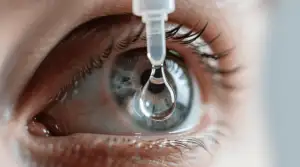
What Serious Side Effects Should You Watch For?
Vision changes, eye pain, signs of infection, or an allergic reaction are signs that warrant immediate medical attention.
While most side effects are mild, a smaller set of symptoms are considered serious warning signs. According to DailyMed, which hosts official FDA-approved drug labeling, prolonged use of this type of corticosteroid eye drop may result in glaucoma with optic nerve damage, defects in visual acuity, and posterior subcapsular cataract formation. Seek prompt medical attention if you notice blurred or tunnel vision, eye pain, halos around lights, or signs of infection like swelling, crusting, or unusual discharge while using these eye drops.
Can Prednisolone Eye Drops Increase Eye Pressure or Cause Glaucoma?
Yes, corticosteroids used in the eye can raise intraocular pressure, which is why they should never be used for longer than your doctor prescribes.
Elevated eye pressure is one of the more significant risks associated with steroid-based ophthalmic treatments specifically. According to DailyMed’s official labeling, corticosteroids are capable of producing a rise in intraocular pressure, and prolonged use may result in glaucoma with damage to the optic nerve. This is exactly why doctors prescribe a specific, limited treatment duration rather than open-ended use, and why follow-up appointments to check eye pressure are often part of the treatment plan.
Who Should Avoid Using Prednisolone Eye Drops?
People with certain active eye infections, including viral infections like herpes simplex keratitis, are generally advised against using this medication.
Because corticosteroids can suppress local immune response, they’re not appropriate for every eye condition. According to DailyMed, this medication is contraindicated in most viral diseases of the cornea and conjunctiva, including epithelial herpes simplex keratitis, as well as fungal diseases of the eye, since steroid use may mask or worsen these infections. This is why an accurate diagnosis from an eye care provider matters before starting any steroid-based treatment; using it for the wrong underlying cause can make things worse rather than better.
Can You Wear Contact Lenses While Using Prednisolone Eye Drops?
Generally, soft contact lenses should be removed before application and can typically be reinserted about 15 minutes later, though you should confirm this with your doctor.
Certain formulations of this medication contain preservatives that can interact with contact lens materials. According to the official prescribing information on DailyMed, patients are advised that certain prednisolone acetate formulations contain benzalkonium chloride, which may be absorbed by soft contact lenses, so lenses should be removed prior to application and can generally be reinserted about 15 minutes afterward. Since formulations vary, confirm your specific product’s guidance with your pharmacist or prescribing doctor.
Are Prednisolone Eye Drops Safe During Pregnancy or Breastfeeding?
They’re generally used during pregnancy only if the potential benefit outweighs potential risk, and a decision about breastfeeding should be made with your doctor.
Pregnancy and breastfeeding both require an individualized risk-benefit discussion for this medication. According to DailyMed’s official labeling, this ophthalmic suspension should be used during pregnancy only if the potential benefit justifies the potential risk to the fetus, and because of the potential for adverse reactions in nursing infants, a decision should be made about whether to discontinue nursing or the medication itself, taking the mother’s needs into account. This isn’t a decision to make without your doctor’s input given the individualized nature of the risk assessment involved.
What Should You Do If You Miss a Dose or Experience an Allergic Reaction?
Follow your doctor’s specific instructions for missed doses, and seek emergency care immediately for signs of a serious allergic reaction like swelling or difficulty breathing.
Missing a scheduled application of this medication is common and usually isn’t an emergency, though your prescribing doctor’s specific guidance should be your reference point rather than general advice. Signs of a genuine allergic reaction hives, difficulty breathing, or swelling of the face, lips, tongue, or throat require immediate emergency care rather than a wait-and-see approach, regardless of how mild previous side effects have been.
Frequently Asked Questions
How long are prednisolone eye drops typically prescribed for?
Duration varies significantly by condition and is determined by your prescribing doctor. Never extend use beyond what’s prescribed without checking first, given the risk of increased eye pressure with prolonged use.
Can this medication be used for pink eye (conjunctivitis)?
They may be prescribed for certain inflammatory causes of conjunctivitis, but are generally avoided for infectious causes, since steroids can worsen some infections. Your doctor will determine if they’re appropriate for your specific cause.
Is it normal for vision to blur temporarily after using them?
Yes, temporary blurred vision right after application is common and usually brief. Avoid driving until your vision clears, and mention persistent blurring to your doctor.
Key Takeaways
- Prednisolone eye drops treat eye inflammation from surgery, allergies, injury, or certain eye conditions.
- Common side effects (stinging, temporary blurred vision) are usually mild and brief.
- Prolonged use carries a risk of increased eye pressure, glaucoma, and cataracts; never use longer than prescribed.
- This medication is not appropriate for certain viral or fungal eye infections and requires an accurate diagnosis first.
Conclusion
This medication is an effective, widely used tool for managing eye inflammation, but like any corticosteroid, it comes with real risks if used incorrectly or for longer than prescribed. Understanding common versus serious side effects, following your doctor’s specific instructions, and knowing when to seek prompt medical attention all matter more than any general guideline, including this one. Always follow your prescribing doctor’s specific instructions, and contact them promptly with any concerning symptoms related to eye drops.
