


Share This Article
Keeping your heart strong is one of the best investments you can make for a long, active life. Heart disease is one of the leading causes of illness worldwide, but most risk factors are preventable with the right choices. This guide walks you step by step — from diet and meals to supplements, snacks, exercise, and long-term lifestyle habits — with simple strategies anyone can follow.
Why Is Awareness the First Step to Heart Health?
Awareness means reviewing habits, tracking numbers (blood pressure, cholesterol, weight), and committing to prevention. Heart Health Month reminds us that prevention matters more than cure. The first step toward a healthier heart is awareness. Every February, Heart Health Month reminds us that prevention matters more than cure. Use this time to review your habits, track your numbers (blood pressure, cholesterol, weight loss), and set realistic goals. Awareness is not just about information — it is about daily commitment to better living.
What Are the Fundamentals of a Heart-Healthy Diet?
A heart-healthy diet is built on balance, variety, and moderation. Focus on whole foods, reduce added sugar, sodium, and saturated fats. Fill your plate with vegetables, fruits, lean proteins, whole grains, and healthy fats. A heart-healthy diet is built on balance, variety, and moderation. Focus on whole foods instead of heavily processed items. Reduce added sugar, sodium, and saturated fats. Instead, fill your plate with vegetables, fruits, lean proteins, whole grains, and healthy fats. Eating this way lowers cholesterol, stabilizes blood pressure, and reduces the risk of heart disease.
What Foods Should Be on a Heart-Healthy List?
Include leafy greens, berries, whole grains (oats, quinoa), lean proteins (fish, chicken, legumes), healthy fats (avocados, olive oil, nuts), seeds (flax, chia), and low-fat dairy or fortified plant-based milk. Your heart-healthy foods list should include:
- Leafy greens: spinach, kale, collards
- Fruits: berries, oranges, apples, citrus
- Whole grains: oats, brown rice, quinoa
- Lean proteins: fish, chicken, legumes
- Healthy fats: avocados, olive oil, nuts
- Seeds: flax, chia, sunflower
- Low-fat dairy or fortified plant-based milk
These foods provide essential nutrients like fiber, magnesium, omega-3 fatty acids, potassium, and antioxidants.
How to Design a Heart-Healthy Diet Plan?
Use the plate method: half vegetables, one-quarter lean protein, one-quarter whole grains. Rotate meals for variety—fish twice a week, legumes several times, poultry in moderation. Limit red meat and processed foods. Turning food into a structured plan is key. Follow the plate method: half vegetables, one-quarter lean protein, one-quarter whole grains. Rotate meals to avoid boredom — fish twice a week, legumes several times, poultry in moderation. Limit red meat and processed foods. Consistency matters more than strict rules.
What Are Heart-Healthy Breakfast Ideas?
Oatmeal with berries and walnuts, whole-grain toast with avocado and egg, smoothie with spinach and chia seeds, or Greek yogurt with fruit and flaxseeds. Avoid skipping breakfast to prevent overeating later. Start strong with heart-healthy breakfasts that fuel energy and balance blood sugar:
- Oatmeal with berries and walnuts
- Whole-grain toast with avocado and egg
- Smoothie with spinach, banana, almond milk, and chia seeds
- Greek yogurt with fruit and flaxseeds
Skipping breakfast can lead to overeating later, so keep it nutritious and filling.
What Does a Heart-Healthy Lunch Look Like?
Chickpea and quinoa salad, whole-grain wrap with grilled chicken, lentil soup with whole-grain bread, or a brown rice bowl with tofu and vegetables. Balance protein, fiber, and healthy fats. Midday meals should be light yet nourishing. Examples:
- Chickpea and quinoa salad with olive oil dressing
- Whole-grain wrap with grilled chicken and vegetables
- Lentil soup with a side of whole-grain bread
- Brown rice bowl with tofu and mixed vegetables
These meals balance protein, fiber, and healthy fats to keep you full without burdening the heart.
What Are Heart-Healthy Dinner Options?
Baked salmon with broccoli and sweet potato, chicken and vegetable stir-fry with brown rice, bean chili with avocado, or grilled chicken kebabs with salad. Keep fried foods and creamy sauces to a minimum. Evening meals should be wholesome but not heavy. Try:
- Baked salmon with steamed broccoli and sweet potato
- Chicken and vegetable stir-fry with brown rice
- Bean and vegetable chili with avocado topping
- Grilled chicken kebabs with yogurt marinade and salad
Keep fried foods and creamy sauces to a minimum.
What Are Heart-Healthy Snack Choices?
Almonds or walnuts (small handful), apple slices with peanut butter, carrot sticks with hummus, air-popped popcorn, or dark chocolate (70% cacao or higher). Snacking smart prevents overeating. Healthy heart-friendly snacks curb cravings and supply steady energy:
- Almonds or walnuts (small handful)
- Apple slices with peanut butter
- Carrot sticks with hummus
- Air-popped popcorn
- Dark chocolate squares (70% cacao or higher)
Snacking smart prevents overeating during main meals.
Can You Enjoy Heart-Healthy Desserts?
Yes! Baked apples with cinnamon, fresh berries with low-fat yogurt, oatmeal cookies sweetened with banana, or dark chocolate-dipped strawberries. Portion control is key. Yes, you can enjoy heart-healthy desserts. Opt for fruit-based or naturally sweetened options:
- Baked apples with cinnamon
- Fresh berries with low-fat yogurt
- Oatmeal cookies sweetened with banana
- Dark chocolate dipped strawberries
Desserts don’t have to sabotage your heart if portion sizes are sensible.
How to Cook Chicken for a Heart-Healthy Diet?
Bake, grill, or steam chicken instead of frying. Choose lean cuts, remove skin, and pair with vegetables or whole grains. Examples: lemon herb grilled chicken, slow-cooked chicken stew, or chicken and vegetable kebabs. Chicken can be part of a heart diet if cooked wisely. Avoid deep frying; instead, bake, grill, or steam. Examples:
- Lemon herb grilled chicken breast
- Slow-cooked chicken in tomato stew
- Chicken and vegetable kebabs
Choose lean cuts, remove skin, and pair with vegetables or whole grains.
What Drinks Support Heart Health?
Water is best. Green tea is rich in antioxidants. Limit sugary sodas, sweetened juices, and alcohol. Moderate coffee intake is safe for most people. Hydration is critical. Water is best. Green tea is another smart choice, loaded with antioxidants that support heart function. Limit sugary sodas, sweetened juices, and alcohol. Moderate coffee intake can be safe for most people, but avoid excess.
What Supplements Support Heart Health?
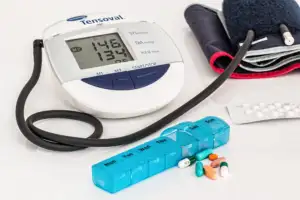
While food is the best source of nutrients, certain heart health supplements may help. Omega-3 fish oil supports cholesterol levels. Magnesium helps regulate blood pressure. Vitamins like D or B-complex may benefit those with deficiencies. Always consult a doctor before starting supplements to avoid unwanted interactions.
What Herbs and Spices Are Good for Heart Health?
Garlic, turmeric, cinnamon, ginger, and oregano support circulation and reduce inflammation. Use them to flavor meals instead of salt. Herbs and spices add flavor without salt. Garlic, turmeric, cinnamon, ginger, and oregano all carry compounds linked to better circulation and reduced inflammation. Herbs are supportive, not replacements for medication, but they make daily meals healthier.
What Exercise Habits Protect Your Heart?
Aim for 150 minutes of moderate aerobic activity weekly plus two strength-training sessions. Walking, jogging, swimming, cycling, and yoga benefit the heart. Physical activity is the cornerstone of heart strength. Aim for 150 minutes of moderate aerobic activity weekly plus two strength-training sessions. Walking, jogging, swimming, cycling, and yoga all benefit the heart. Using a “heart health park routine” — outdoor walks, interval runs, or group workouts — combines exercise with stress relief.
How to Track and Improve Heart Health?
Monitor weight, blood pressure, and resting heart rate. Keep a food journal or use apps. Celebrate small wins like a week of clean eating or better stamina. Tracking progress is essential. Monitor your weight, blood pressure, and resting heart rate. Keep a food journal or use apps to identify habits. Celebrate small wins: a week of clean eating, better stamina, or reduced sugar intake. Every small change compounds into long-term improvement.
What Lifestyle Changes Protect Heart Health?
Prioritize sleep, manage stress, and schedule routine checkups. Poor sleep and chronic stress raise blood pressure and harm the heart. Practice relaxation and seek medical support when needed. Beyond diet and exercise, sleep, stress control, and routine checkups shape heart health. Poor sleep and chronic stress raise blood pressure and harm the heart. Practice relaxation, prioritize rest, and seek medical support when needed.
Conclusion
Your heart works for you 24/7 — keeping it strong should be a lifelong goal. Awareness, smart food choices, balanced meals, healthy snacks and desserts, supplements when necessary, exercise, and steady improvement form the foundation of heart health. By following these steps in order, you build sustainable habits that protect your most vital organ for decades to come.
