


Share This Article
Before a trip to a dengue-endemic region a few years ago, I assumed a travel clinic visit and a bottle of bug spray would cover it. It wasn’t until I read through the CDC’s actual guidance that I realized how much more there is to reducing dengue risk — from what you wear, to how you treat standing water, to what to do if a fever shows up after you’re already home. This guide covers practical, evidence-based ways to mitigate dengue fever risk, both while traveling and at home, based on current public health guidance.
The most effective way to mitigate dengue fever is to prevent mosquito bites — using EPA-registered repellent, wearing long sleeves and pants, staying in air-conditioned or screened spaces, and eliminating standing water where mosquitoes breed. There’s no widely available vaccine or specific antiviral treatment, which is why prevention remains the primary strategy.
What Is Dengue Fever and Why Does It Need to Be Mitigated?
Dengue is a mosquito-borne viral infection that can range from mild to severe, and since there’s no specific treatment, prevention is the main way to mitigate dengue fever risk.
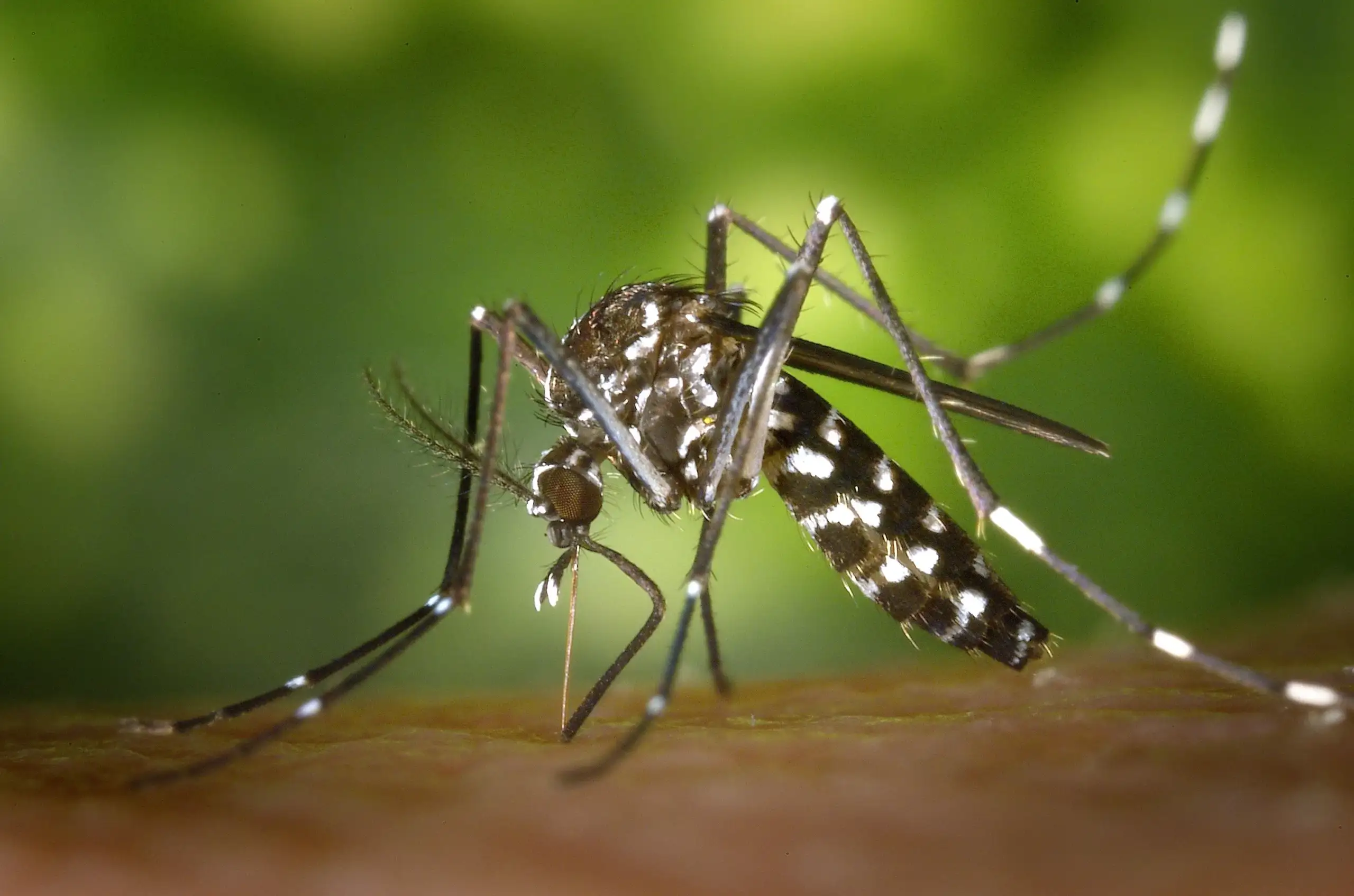
Dengue is spread primarily by Aedes mosquitoes, which are active during the day as well as at dawn and dusk. According to the CDC, there are currently no dengue vaccines widely available for use in the United States, and there’s no specific antiviral medication to treat it — which is exactly why steps to mitigate dengue fever focus so heavily on preventing mosquito bites in the first place rather than treating the infection after the fact.
How Do You Mitigate Dengue Fever Risk While Traveling?
Use EPA-registered insect repellent, wear protective clothing, and stay in accommodations with air conditioning or intact window and door screens.
Travel to dengue-endemic areas is one of the most common ways people are exposed, so travel precautions are central to any strategy to mitigate dengue fever. The CDC recommends staying in places with air conditioning or secure window and door screens, and using a bed net if those aren’t available. Practical steps to mitigate dengue fever risk while abroad include:
- Applying EPA-registered repellent to exposed skin and reapplying as directed
- Wearing loose-fitting, long-sleeved shirts and pants, especially at dawn and dusk
- Choosing accommodations with air conditioning or screened windows
- Using a permethrin-treated bed net if sleeping in an unscreened or outdoor space
What Should You Do to Mitigate Dengue Fever Risk After Returning From Travel?
Continue preventing mosquito bites for three weeks after your trip, and watch for symptoms for up to two weeks, even if you feel fine.
An often-overlooked part of how to mitigate dengue fever spread is what happens after you get home. According to the CDC, travelers returning from a dengue-risk area should continue preventing mosquito bites for three weeks post-travel, since an infected but asymptomatic traveler could otherwise allow local mosquitoes to pick up and spread the virus. Watching for symptoms for about two weeks after your trip, and mentioning your travel history to a doctor if you develop a fever, are both simple but important habits.
How Can You Mitigate Dengue Fever Risk at Home?
Eliminating standing water around your property removes mosquito breeding sites, which is one of the most effective long-term prevention strategies.
Mosquito control at home is a critical, if less glamorous, piece of how communities mitigate dengue fever transmission. Aedes mosquitoes breed in even small amounts of standing water — flowerpot trays, clogged gutters, old tires, buckets. Regularly emptying or covering these sources, along with keeping window and door screens in good repair, meaningfully reduces the local mosquito population. According to the CDC, public health programs use a combination of methods — larvicide, traps, and community education — because no single tactic fully controls mosquito populations on its own; the same principle applies at a household level.
What Are the Symptoms of Dengue Fever to Watch For?
High fever, severe headache, pain behind the eyes, muscle and joint pain, and rash are the most common symptoms.
Recognizing symptoms early is part of a complete plan to mitigate dengue fever’s impact on your health, since early medical attention can help manage complications. Common symptoms include a sudden high fever, severe headache, pain behind the eyes, muscle and joint pain (sometimes called “breakbone fever” because of its intensity), and a skin rash. Most people recover within about a week, but a smaller percentage develop severe dengue, which can involve bleeding, a sudden drop in blood pressure, and organ impairment — a medical emergency that requires immediate care.

When Should You See a Doctor If You Suspect Dengue Fever?
See a healthcare provider promptly if you develop a fever after travel to a dengue-risk area, especially if warning signs like severe abdominal pain or bleeding develop.
Prompt medical evaluation is an essential part of mitigating dengue fever complications once symptoms appear. Tell your provider about recent travel, since dengue testing typically requires specific lab tests (RT-PCR or NS1 antigen testing) that aren’t part of routine bloodwork. Warning signs that warrant urgent care include severe abdominal pain, persistent vomiting, bleeding from the nose or gums, and extreme fatigue or restlessness — these can signal progression to more severe dengue.
Are There Medications That Can Help Manage Dengue Fever Symptoms?
Acetaminophen can help manage fever and pain, but NSAIDs like ibuprofen and aspirin should be avoided due to bleeding risk.
Symptom management is a supportive, not curative, part of how people mitigate dengue fever’s effects while recovering. According to health guidance from the California Department of Public Health, travelers are advised to pack acetaminophen specifically for fever and pain control while abroad. NSAIDs such as ibuprofen, naproxen, and aspirin are generally avoided in suspected dengue cases, since dengue can affect blood clotting and these medications may increase bleeding risk.
Is a Dengue Vaccine Available to Help Mitigate Dengue Fever?
A vaccine called Dengvaxia is approved only for children aged 9–16 with a confirmed prior dengue infection living in endemic areas — it isn’t broadly available.
Vaccination is a limited, rather than universal, tool to mitigate dengue fever currently. According to the CDC, Dengvaxia was approved in 2021 specifically for children aged 9 to 16 who have laboratory-confirmed evidence of a previous dengue infection and who live in areas where dengue is common — it isn’t recommended for the general public or for travelers without a confirmed prior infection. This narrow eligibility is exactly why mosquito bite prevention remains the primary strategy for most people.
How Are Public Health Agencies Working to Mitigate Dengue Fever Spread?
Health departments use integrated mosquito management — combining traps, larvicide, and surveillance — especially in areas with frequent dengue transmission.
Community-level efforts to mitigate dengue fever go well beyond individual precautions. The CDC has supported integrated mosquito management programs, such as one in Bayamón, Puerto Rico, which deployed thousands of mosquito traps and combined larvicide treatment with routine yard inspections during an active outbreak. According to the CDC, dengue is endemic in several U.S. territories, including Puerto Rico, the U.S. Virgin Islands, and American Samoa, which is why these regions maintain more intensive year-round mosquito control programs than most of the continental United States.

Frequently Asked Questions
Can you get dengue fever more than once?
Yes. There are four dengue virus serotypes, and a second infection with a different serotype can potentially be more severe than the first.
Do all mosquitoes carry dengue?
No. Dengue is spread specifically by Aedes mosquitoes, not all mosquito species, and only if the mosquito itself has previously bitten an infected person.
How long does dengue fever typically last?
Most people recover within about a week, though fatigue can linger longer. Severe cases require immediate medical care and a longer recovery period.
Key Takeaways
With no widely available vaccine or specific treatment, prevention is the primary way to mitigate dengue fever.
Mosquito bite prevention — repellent, protective clothing, screened or air-conditioned spaces — is the most effective individual strategy.
Continue prevention for three weeks after travel and watch for symptoms for about two weeks.
Acetaminophen is preferred for symptom relief; avoid NSAIDs due to bleeding risk.
Conclusion
Because there’s no specific cure and only very limited vaccine availability, the most reliable way to mitigate dengue fever is consistent mosquito bite prevention — before, during, and after travel to at-risk areas. Simple habits like using repellent, wearing protective clothing, eliminating standing water, and knowing the warning signs that require urgent care can meaningfully reduce your risk and help you respond quickly if symptoms appear. If you’re planning travel to a dengue-risk region, talk to a travel medicine provider ahead of time for guidance specific to your destination and health history.
