


Share This Article
-
What Is a Plant-Based Diet and What Does It Include?
A plant-based diet focuses on foods from plants: fruits, vegetables, whole grains, legumes, nuts, and seeds. It significantly reduces animal products but doesn’t always exclude them entirely. A plant-based diet refers to an eating pattern that primarily focuses on foods derived from plants, including fruits, vegetables, whole grains, legumes, nuts, and seeds. Unlike vegan or vegetarian diets, it doesn’t always completely exclude animal products but significantly reduces them. The main purpose of this eating approach is to promote better health, manage weight, and lower the risk of chronic diseases.
-
What Are the Key Health Benefits of a Plant-Based Diet?
Benefits include improved heart health, lower cholesterol, reduced diabetes risk, better digestion, higher energy, stronger immunity, clearer skin, and a positive environmental impact. There are numerous benefits of adopting a plant-based, including:
- Improved heart health
- Lower cholesterol levels
- Reduced risk of type 2 diabetes
- Better digestion due to fiber-rich foods
- Higher energy levels and stronger immunity
- Clearer skin and overall wellness
- Positive impact on the environment
-
How Can Beginners Start a Plant-Based Diet?
Start by adding more vegetables and legumes to meals. Gradually reduce red meat and processed foods. Replace dairy with plant-based alternatives like almond milk, soy yogurt, or oat milk. For beginners, transitioning to a plant-based diet may feel overwhelming, but it becomes manageable with proper planning:
- Start by incorporating more vegetables and legumes.
- Reduce intake of red meat and processed foods gradually.
- Replace dairy with almond milk, soy yogurt, or oat milk.
- Explore simple recipes like lentil soups and veggie stir-fries.
-
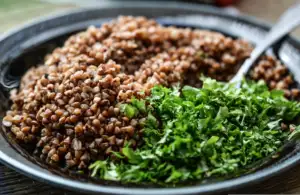
What Foods Are Included in a Plant-Based Diet?
Whole grains (brown rice, oats, quinoa), legumes (chickpeas, lentils, beans), nuts and seeds (chia, flax, hemp), fruits and vegetables (leafy greens, berries), and plant proteins (tofu, tempeh). A complete plant-based food list should include:
- Whole grains: brown rice, oats, quinoa, millet
- Legumes: chickpeas, beans, lentils, peas
- Nuts and seeds: almonds, chia seeds, flaxseeds, hemp seeds
- Fruits & vegetables: leafy greens, berries, cruciferous vegetables
- Protein options: tofu, tempeh, seitan, edamame
-
What Are the Best Plant-Based Protein Sources?
Lentils, chickpeas, black beans, quinoa, tofu, tempeh, hemp seeds, chia seeds, seitan, and vegetables like spinach, broccoli, and peas all provide excellent plant-based protein. Excellent protein sources in a plant-based diet include:
- Lentils
- Chickpeas
- Black beans & kidney beans
- Quinoa
- Tofu & tempeh
- Hemp seeds & chia seeds
- Seitan
- Spinach, broccoli, and peas (vegetable proteins)
-
How to Meet Protein Needs on a Plant-Based Diet?
Plan meals with protein-rich foods: smoothies with soy milk and hemp seeds, quinoa salads with chickpeas, tempeh stir-fries, and snacks like roasted edamame or chia pudding. Meeting protein needs is possible with the right meal planning:
- Breakfast: smoothie with soy milk, oats, hemp seeds
- Lunch: quinoa salad with chickpeas
- Dinner: stir-fry with tempeh and vegetables
- Snacks: roasted edamame or chia pudding
-
How to Get Enough Iron on a Plant-Based Diet?
Eat iron-rich foods like lentils, spinach, pumpkin seeds, tofu, quinoa, and black beans. Pair with vitamin C-rich foods (citrus, bell peppers) to boost iron absorption. Iron-rich foods include lentils, spinach, pumpkin seeds, tofu, quinoa, and black beans.
💡 Tip: Pair with vitamin C-rich foods like citrus fruits or bell peppers to enhance absorption.
-
What Are the Best Plant-Based Sources of Omega-3?
Chia seeds, flaxseeds, hemp seeds, walnuts, and algae-based supplements are excellent plant-based sources of omega-3 fatty acids. Best plant-based omega-3 sources:
- Chia seeds
- Flaxseeds
- Hemp seeds
- Walnuts
- Algae-based supplements
-
Can Athletes Thrive on a Plant-Based Diet?
Yes. Focus on protein for recovery (beans, lentils, tofu), carbs for energy (oats, sweet potatoes), healthy fats (nuts, avocado), and supplements like B12 and omega-3 as needed. Athletes can benefit from plant-based nutrition with the right focus:
- Protein for muscle recovery: beans, lentils, quinoa, tofu
- Carbs for energy: oats, sweet potatoes, brown rice
- Healthy fats: nuts, seeds, avocado
- Supplements (if needed): iron, B12, omega-3
-
How Does a Plant-Based Diet Help Manage Diabetes?
It regulates blood sugar with fiber-rich foods (beans, oats, leafy greens), whole fruits, and avoiding processed sugars and refined carbs, enhancing insulin sensitivity. This diet helps regulate blood sugar through:
- Fiber-rich foods like beans, oats, and leafy greens
- Whole fruits instead of juices
- Avoiding processed sugars and refined carbs
- Enhancing insulin sensitivity
-
Can a Plant-Based Diet Help with Weight Loss?
Yes. It lowers calorie intake without losing nutrients, keeps you full with high-fiber foods, replaces fatty meats with legumes, and naturally controls appetite. Weight loss benefits include:
- Lower calorie intake without nutrient loss
- High fiber foods keep you full longer
- Replacing fatty meats with legumes reduces fat intake
- Natural appetite control due to nutrient density
-
What Does a Sample Plant-Based Meal Plan Look Like?
Breakfast: oatmeal with chia seeds and berries. Lunch: quinoa salad with beans. Snack: roasted chickpeas. Dinner: lentil curry with brown rice. Sample daily meal plan:
- Breakfast: oatmeal with chia seeds and berries
- Lunch: quinoa salad with beans
- Snack: roasted chickpeas or fruit with nut butter
- Dinner: lentil curry with brown rice
-
What Are Easy Plant-Based Breakfast Ideas?
Overnight oats, tofu scramble, chia seed pudding, smoothie bowls, and avocado toast on whole-grain bread are all quick and nutritious plant-based breakfasts. Nutritious breakfast ideas:
- Overnight oats with almond milk & fruits
- Tofu scramble with vegetables
- Chia seed pudding
- Smoothie bowl with hemp seeds
- Avocado toast on whole-grain bread
-
What Are Filling Plant-Based Lunch Ideas?
Buddha bowls with quinoa and roasted veggies, lentil soup, bean burritos with guacamole, or quinoa and chickpea salad are satisfying and healthy options. Filling lunch choices include:
- Buddha bowls with quinoa, roasted veggies, and hummus
- Lentil soup with whole wheat bread
- Bean burritos with guacamole
- Quinoa and chickpea salad
-
What Are Satisfying Plant-Based Dinner Ideas?
Stir-fried tofu with broccoli, black bean tacos, lentil curry with brown rice, or baked sweet potato with chickpeas make delicious and nutritious dinners. Light and satisfying dinner options:
- Stir-fried tofu with broccoli
- Black bean tacos
- Lentil curry with brown rice
- Baked sweet potato with chickpeas
-
What Are Healthy Plant-Based Snacks?
Roasted chickpeas, mixed nuts, veggie sticks with hummus, fruit with almond butter, and homemade granola bars are perfect plant-based snack choices. Healthy plant-based snack ideas:
- Roasted chickpeas
- Mixed nuts and seeds
- Veggie sticks with hummus
- Fruit with almond butter
- Homemade granola bars
-
What Is the Best Bread for a Plant-Based Diet?
Choose whole wheat, multigrain, sprouted grain, or sourdough bread. These are healthier options that fit well into a plant-based eating plan. Best bread choices include:
- Whole wheat bread
- Multigrain bread
- Sprouted grain bread
- Sourdough bread
-
What Are Quick and Easy Plant-Based Recipes?
Chickpea salad sandwich, lentil soup, vegetable stir-fry, and quinoa veggie wraps are fast, simple, and packed with plant-based nutrition. Quick and easy recipes:
- Chickpea salad sandwich
- Lentil soup
- Vegetable stir-fry
- Quinoa and veggie wraps
-
How to Follow a Plant-Based Diet on a Budget?
Buy seasonal produce, purchase grains and legumes in bulk, use frozen fruits and vegetables, and cook meals at home instead of eating out. Money-saving tips:
- Buy seasonal fruits and vegetables
- Purchase grains and legumes in bulk
- Use frozen produce for convenience
- Cook meals at home instead of dining out
-
What Does a 30-Day Plant-Based Diet Plan Look Like?
Week 1: Add more vegetables and fruits. Week 2: Include plant proteins daily. Week 3: Reduce processed foods. Week 4: Maintain balanced, nutrient-rich meals. A gradual approach ensures success:
- Week 1: add more vegetables and fruits
- Week 2: Include plant proteins daily
- Week 3: Reduce processed and packaged foods
- Week 4: maintain balanced, nutrient-rich meals
