


Share This Article
Watching my dad struggle to carry groceries up the stairs at 68-something- something he’d done without a second thought a decade earlier was the moment I realized muscle loss with age isn’t inevitable decline; it’s something you can actually push back against. Once he started a simple strength routine with his doctor’s guidance, his grip strength and stamina noticeably improved within a few months. This guide covers what the research actually says about reversing and recovering aging muscle, from resistance training to nutrition, so you can take practical steps starting now.
The most effective way to recover aging muscle is consistent resistance training combined with adequate protein intake. Research shows this combination can rebuild strength and muscle mass, even in older adults who’ve already lost significant muscle. Starting around age 30, the body naturally loses 3–5% of muscle mass per decade, but this process, called sarcopenia, is largely manageable with the right habits.
What Happens to Aging Muscle Over Time?
Starting around age 30, muscle mass and strength gradually decline, a process that can accelerate into a condition called sarcopenia if left unaddressed.
Muscle isn’t static; it naturally peaks in your early 30s and gradually declines afterward without intervention. According to NIH News in Health, the body loses about 3 to 5% of muscle mass every 10 years starting around age 30, and while you might not notice the effects at first, reduced muscle mass eventually leads to decreased strength. Left unmanaged, this natural decline in muscle mass can progress into sarcopenia, a more significant condition linked to falls, frailty, and loss of independence in older adults.
Can You Actually Reverse Muscle Loss From Aging?
Yes — research consistently shows that resistance training can rebuild strength and increase muscle mass, even in people who already have significant age-related muscle loss.
The idea that muscle loss is a one-way street isn’t supported by current research. According to the National Institute on Aging (NIA), resistance training is considered the most important tool for reversing frailty, since it builds muscle and directly reduces the loss of muscle mass associated with aging. Meta-analyses of exercise interventions have similarly found that resistance training can meaningfully increase both strength and muscle mass in older adults, even those with existing sarcopenia — meaning this kind of muscle loss isn’t fixed and can respond well to the right training approach.
What Type of Exercise Best Supports Aging Muscle Recovery?
Resistance training using weights, resistance bands, or bodyweight exercises is the most effective single exercise type for rebuilding age-related muscle loss.
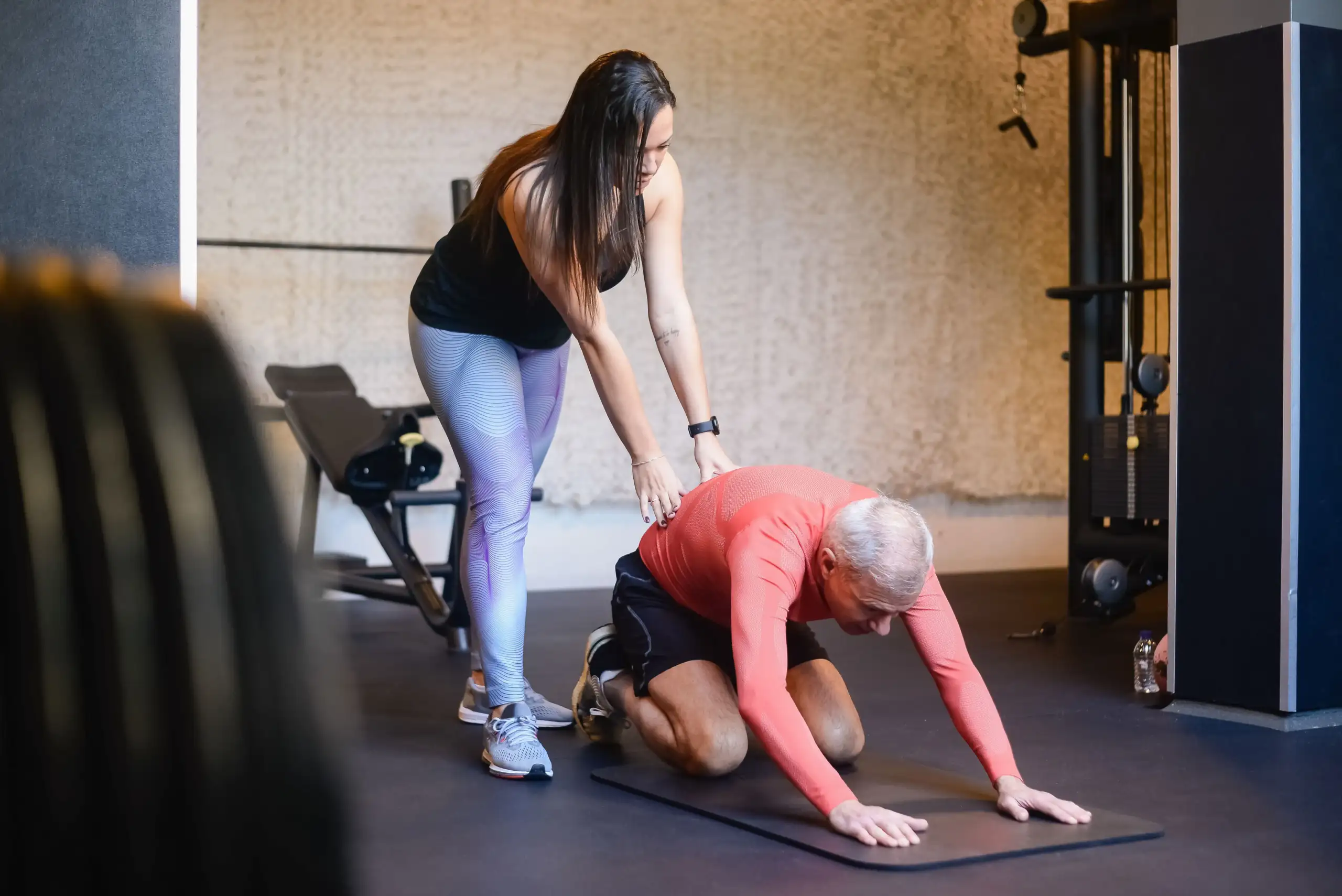
Not all exercise affects muscle the same way. While cardiovascular activity offers valuable heart and metabolic benefits, resistance training specifically targets the muscle fibers responsible for strength and mass. According to NIH News in Health, a manageable routine should work each major muscle group arms, legs, abs, back, and chest starting slowly and building consistency over time. Combining resistance training with aerobic exercise tends to produce the best overall outcomes, though resistance work carries the most direct benefit for rebuilding lost muscle specifically. For a structured starting point, see our strength training exercises and plans.

How Often Should Older Adults Train to Recover Aging Muscle?
Research suggests two structured resistance training sessions per week, combining upper- and lower-body exercises, produces meaningful strength gains.
Consistency matters more than intensity when it comes to safely rebuilding muscle lost to aging. Research published in Age and Ageing proposes that a resistance exercise program consisting of two sessions per week, combining upper- and lower-body movements performed for one to three sets of 6–12 repetitions, offers an effective and sustainable prescription for older adults. This frequency is realistic enough to maintain long-term, which matters more for long-term recovery than an aggressive but unsustainable routine.
How Much Protein Do You Need to Support Aging Muscle?
Older adults generally need more protein than younger adults to counteract age-related muscle loss, with quality protein sources spread across meals.
Nutrition plays a critical supporting role alongside exercise. According to Healthline, eating enough calories and high-quality protein may help slow down sarcopenia, and healthy eating habits combined with regular physical activity can help reverse this age-related muscle degeneration. Distributing protein intake across meals, rather than concentrating it in one sitting, tends to support muscle protein synthesis more effectively, an important detail for anyone specifically focused on rebuilding aging muscle. Our sports nutrition guide covers protein timing and targets in more depth.
What Role Does Inactivity Play in Accelerating Muscle Loss?
Prolonged inactivity, illness, or injury can dramatically accelerate muscle loss beyond what’s expected from aging alone.
Not using muscles is one of the most significant, and most modifiable, contributors to aging muscle. According to Healthline, inactivity is one of the most common reasons for sarcopenia, leading to aging muscle and increasing weakness; after injury or illness, inflammation can send signals to the body that accelerate muscle breakdown. This is exactly why staying consistently active, even during recovery from an illness or injury when appropriate, matters so much for protecting muscle mass over time.
Can Aging Muscle Loss Be Measured or Diagnosed?
Yes, grip strength, walking speed, and lean body mass are the primary measures researchers and clinicians use to assess sarcopenia.
Quantifying muscle loss has historically been difficult, but researchers have converged on more standardized approaches in recent years. According to NIH-funded research, experts have proposed diagnostic criteria for sarcopenia based on measures like grip strength, gait speed, and lean muscle mass, which give clinicians a more consistent way to identify significant sarcopenia rather than relying on subjective impressions alone. If you’re concerned about muscle loss, a doctor or physical therapist can assess these measures directly.
How Does Balance Training Fit Into Aging Muscle Recovery?
Balance exercises complement strength training by reducing fall risk, which is especially important as muscle loss can affect stability and coordination.
Rebuilding strength alone isn’t the complete picture for older adults managing this kind of muscle loss — balance and coordination often decline alongside it, increasing fall risk. Incorporating balance-focused movements alongside resistance training addresses both muscle strength and the functional stability needed for daily activities. Our core balance training guide offers a practical starting point for pairing these two elements together.
What Recovery Habits Support Rebuilding Aging Muscle?
Adequate sleep, rest days between resistance sessions, and sufficient protein intake all support the muscle repair process in older adults.
Recovery is just as important as the training itself when working to rebuild aging muscle. Muscle repair and growth largely happen during rest, not during the workout itself, which is why adequate sleep and appropriately spaced training days matter. Older adults may benefit from slightly more recovery time between intense resistance sessions compared to younger trainees, though staying consistently active on rest days with light movement remains beneficial. For more on this, see our muscle recovery supplements guide.
How Do You Build a Sustainable Long-Term Plan for Aging Muscle Health?
Combine consistent resistance training, adequate protein, balance work, and regular activity, adjusting intensity gradually as strength improves.
A sustainable approach to protecting and rebuilding muscle strength over the long term includes:
- Resistance training at least twice weekly, covering all major muscle groups
- Adequate protein spread across meals throughout the day
- Balance and mobility work to reduce fall risk alongside strength gains
- Consistent daily activity, since prolonged inactivity accelerates muscle loss
- Regular check-ins with a doctor or physical therapist to track strength and function over time
Frequently Asked Questions
At what age does muscle loss from aging typically begin?
Muscle mass and strength typically peak around age 30–35, with gradual decline beginning afterward if not counteracted with exercise.
Is it too late to rebuild muscle after 60 or 70?
No. Research shows resistance training can meaningfully rebuild strength and muscle mass even in older adults with existing sarcopenia.
Can walking alone help recover muscle lost to aging?
Walking offers valuable health benefits and can help prevent further decline, but resistance training provides the most direct benefit for rebuilding lost muscle mass and strength.
Key Takeaways
- Muscle mass naturally declines starting around age 30, at a rate of about 3–5% per decade.
- Resistance training is the single most effective tool for reversing age-related muscle loss.
- Adequate protein intake, spread across meals, supports muscle repair alongside exercise.
- Inactivity, illness, and injury can accelerate muscle loss beyond typical aging alone.
Conclusion
Recovering aging muscle isn’t about chasing a quick fix; it comes down to consistent resistance training, adequate protein, and staying active, even as intensity and approach shift with age. Research is clear that this kind of muscle loss isn’t a fixed, unavoidable decline; it responds well to the right habits, even later in life. Start with two structured strength sessions a week, prioritize protein at each meal, and build in balance work to protect against falls as you go. Ready to build a complete plan? Check out our strength training exercises and plans and core balance training guide, or head back to our homepage for more wellness resources.
