


Share This Article
-
What Is This Yoga Guide For Everyone About?
This guide covers everything from beginner poses and props to teacher training, specialty classes like prenatal and chair yoga, and building a sustainable weekly practice. Yoga has evolved into a versatile practice that supports physical fitness, mental calm, and social connection. Whether you are searching for “yoga for beginners” or planning to enroll in a comprehensive “yoga teacher training,” this guide presents everything you need in clear sequential order: what to learn first, which gear to choose, how to explore specialty formats like chair or prenatal yoga, and when to consider teacher certification.
What Are the Best Yoga Poses for Beginners?
Start with Mountain, Downward-Facing Dog, Warrior I, and Child’s Pose. These build mobility, balance, and body awareness. Use beginner classes or online sessions for guidance. Start with Mountain, Downward-Facing Dog, Warrior I, and Child’s Pose. These build mobility, balance, and body awareness. Use beginner classes or online sessions for guidance. Begin with core “yoga poses for beginners” and learn common “yoga pose names.” Practice breath awareness and alignment in poses such as Mountain (Tadasana), Downward-Facing Dog, Warrior I, and Child’s Pose. These “yoga exercises” establish mobility, balance, and body awareness. Join a drop-in “yoga class near me” or use beginner-friendly online sessions to receive feedback, making sure you master form before progressing.
What Yoga Mat, Props, and Clothing Do You Need?
Choose a durable mat, blocks, and a strap for safety. For special needs, use a chair or ball. Wear breathable, well-fitted clothing like high-waisted yoga pants or shorts. A durable “yoga mat” is essential; search “yoga mat near me” to test grip and thickness in person. Add “yoga blocks” and a strap to scale poses safely. For small-space or seated practice, a “yoga chair” and a “yoga ball” expand options—there are even specialized “yoga ball pregnancy” classes for prenatal mobility and pelvic support. Choose “yoga clothes” that move with you: breathable fabric, proper fit, and opacity are crucial. “Yoga shorts” are ideal for hot classes; “yoga pants” and “yoga pants for women” with a high waist and secure fit are versatile for most practices.
Should You Practice at a Studio or Online?
Studios offer in-person energy and teacher feedback. Online platforms provide flexibility. Compare local studios or apps for progressive series and themed programs. Decide whether you benefit more from in-person energy at a “yoga studio” or the flexibility of on-demand platforms. Search “yoga studios near me” to compare class styles, teacher bios, and drop-in prices. Popular studio brands like Yoga Six often offer varied schedules for beginners to advanced practitioners. If you prefer home practice, apps and classes labeled “yoga go” or similar provide progressive series and themed programs.
What Are Chair Yoga and Ball Work?
Chair yoga is ideal for limited mobility or office routines. The yoga ball supports balance and core work. Use props like blocks and straps to maintain alignment. “Chair yoga” and “yoga chair poses” are ideal for those with limited mobility or office-bound routines; they build strength while minimizing joint stress. The “yoga ball” supports balance training and gentle core activation; pregnant participants benefit from targeted “yoga ball pregnancy” sessions. Use “yoga blocks,” bolsters, and straps consistently to maintain alignment and avoid injury.
What Are Partner Yoga and Social Formats?
Partner yoga builds trust through assisted stretches. Social formats like outdoor classes or “yoga goat” add novelty and community engagement to keep you motivated. “Yoga poses for two” or partner yoga deepen trust and alignment through assisted stretches and counters. Start with simple supported postures and breathing exercises before advancing to balancing sequences. Social formats like “yoga goat” or outdoor pop-up classes combine novelty with community engagement, making practice more motivating for many people.
How to Become a Yoga Instructor?
After mastering basics, enroll in a structured Yoga Alliance-aligned teacher training. These programs cover sequencing, anatomy, and ethics for professional teaching. When you feel confident in fundamentals, consider structured learning through “yoga teacher training” or workshops. Many trainings are listed as “yoga teacher training near me” and vary in length and specialization. Look for programs aligned with “Yoga Alliance” standards if you plan to teach professionally; registered training hours and curriculum transparency are important quality signals. Qualified graduates step into roles as a “yoga instructor” with skills in sequencing, anatomy, and ethics.
What Are Restorative Yoga and Yoga Nidra?
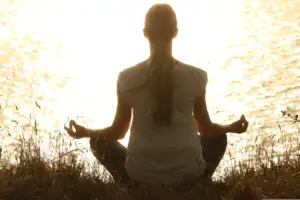
Restorative sessions and Yoga Nidra (20–40 minutes) regulate the nervous system, improve sleep, reduce anxiety, and balance vigorous practices. Incorporate restorative sessions and “yoga nidra” for nervous system regulation and deep relaxation. Yoga Nidra practices, often 20–40 minutes, can enhance sleep quality, reduce anxiety, and balance the effects of vigorous flow classes. Alternate dynamic sessions with restorative days to foster recovery.
What Are Prenatal and Therapeutic Yoga Classes?
Prenatal classes support changing bodies with props like balls. Therapeutic classes aid injury rehabilitation with appropriate modifications. If you have special needs or health considerations, seek classes labeled prenatal, therapeutic, or restorative. “Yoga ball pregnancy” and certified prenatal instructors tailor movement to changing bodies, while therapeutic classes can support injury rehabilitation with appropriate modifications.
How Can Yoga Retreats and Community Help?
Retreats and workshops fast-track learning through concentrated practice. Regular studio events and community classes provide accountability and expand your network. A “yoga retreat” or weekend workshop fast-tracks learning through concentrated practice and teacher mentorship. Retreats range from silent meditation to movement-intensive escapes—choose one that matches your goals and experience. Regular studio events and community classes also provide accountability and expand your network.
How to Build a Weekly Yoga Routine?
Plan 2–3 active flows, 1 props/strength session, 1 restorative/chair class, 1 Yoga Nidra/meditation session, and 1 rest day. Short daily practices maintain consistency. Create a balanced weekly plan: two to three active flow sessions, one strength or props-focused session, one restorative or chair yoga class, one yoga nidra or meditation session, and one rest day. Short daily practices of 15–25 minutes can maintain consistency when time is limited.
Final Tip
Always respect pain signals and prioritize alignment. For pregnancy or significant health concerns, consult your healthcare provider before starting classes. When buying gear, test a “yoga mat” and check that “yoga shorts” and “yoga pants for women” meet coverage and comfort needs for your style of practice. A compact “yoga box” or storage solution keeps essentials organized at home.
