


Share This Article
-
How to Start Your Bodybuilding Journey?
Begin with clear, measurable objectives like hypertrophy or conditioning. Establish a timeline, current measurements, and realistic milestones. Track progress weekly and log workouts, nutrition, and recovery. Begin with a clear, measurable objective: whether your aim is hypertrophy, conditioning, or preparing for a show. Establish timeline, current measurements, and realistic milestones. Track progress weekly and log workouts, nutrition, and recovery. A well-defined starting point reduces guesswork and keeps training evidence-based.
-
What Are the Different Types of Bodybuilding?
Types include classic, natural, men’s open, and physique-focused training. Each prioritizes different proportions, conditioning, and rules. Choose one that aligns with your genetics and lifestyle. Understand which form of bodybuilding suits you: classic, natural, men’s open, or physique-focused training. Each type prioritizes different proportions, conditioning, and competition rules. Choose the type that aligns with your genetics, lifestyle, and long-term goals to avoid unnecessary frustration.
-
What Is Natural Bodybuilding and How Does It Work?
Natural +emphasizes progressive overload, long-term consistency, and testing-friendly supplementation. Prioritize sleep, joint health, and conservative intensity to prevent burnout. If you choose a natural path, emphasize progressive overload, longer-term consistency, and strict testing-friendly supplementation. Natural athletes should prioritize sleep, joint health, and conservative intensity progression to prevent burnout and injury.
-
How to Design an Effective Bodybuilding Program?
A good program balances intensity, volume, and frequency. Include compound movements (squat, deadlift, press, row), accessory lifts, and periodize every 8–16 weeks based on progress. Design a program that balances intensity, volume, and frequency. A basic framework includes:
- Foundational compound movements (squat, deadlift, press, row, pull-up).
- Accessory lifts to correct imbalances and target weak points.
Periodize every 8–16 weeks and adapt based on measured progress rather than perceived effort. Example weekly split for intermediate trainees: - Mon: Upper heavy
- Tue: Lower volume
- Wed: Rest/active recovery
- Thu: Push emphasis
- Fri: Pull emphasis
- Sat: Legs accessory and conditioning
- Sun: Rest
-
What Are the Best Bodybuilding Exercise Routines?
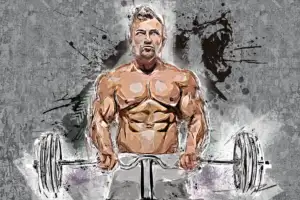
Popular splits: upper/lower (balanced), push/pull/legs (focused recovery), and full-body (for beginners). Use rep ranges: 6–12 for hypertrophy, 3–6 for strength, 12–20+ for conditioning. Construct routines around training splits that match your recovery and availability. Common, effective formats include:
- Upper/lower split for balanced frequency.
- Push/pull/legs for focused recovery per movement pattern.
- Full-body sessions for beginners or time-limited schedules.
Prioritize exercise selection by movement quality, not by popularity. Warm up dynamically, then follow with main lifts and accessory work. Use rep ranges strategically: 6–12 reps for hypertrophy, 3–6 for strength, and 12–20+ for metabolic/conditioning goals.
-
How to Build a Strong and Aesthetic Back?
Include horizontal rows for thickness, vertical pulls for width (pull-ups, lat pulldowns), and low-back work (Romanian deadlifts). Use varied grips and tempos to target different fibers. A strong back supports posture, lifts, and aesthetic balance. Include:
- Horizontal rows (barbell or cable) for mid-back thickness.
- Vertical pulls (pull-ups, lat pulldowns) for width.
- Low-back strengthening (Romanian deadlifts, back extensions) for spinal stability.
Use varied grips and tempos to target different fibers and prevent adaptation plateaus.
-
What Are the Best Leg Exercises for Bodybuilding?
Combine heavy compounds (squat, deadlift), quad-focused moves (leg press), posterior chain work (Romanian deadlift), and calf exercises. Rotate single-leg variations for balance. Leg development builds overall size. A leg session should involve:
- One heavy compound (squat or deadlift variant).
- One focused quad movement (front squat, leg press).
- One posterior chain movement (Romanian deadlift, hamstring curl).
- Calf and mobility work to complete the session. Rotate single-leg variations to correct asymmetries and improve balance.
-
How to Choose the Right Bodybuilding Exercises?
Choose exercises that match your leverages and mobility. Apply progressive overload, focus on technical mastery, and cycle accessory movements every mesocycle for continued adaptation. Choose exercises that match your leverages and mobility. Track performance across sets and reps, not just load. Apply these principles:
- Progressive overload: add small increments over time.
- Technical mastery: Reinforce movement patterns with moderate loads before increasing intensity.
- Variety: cycle accessory movements every mesocycle to continue adaptation. Record tempo and pause variations to manipulate time under tension effectively.
-
How to Meal Prep for Bodybuilding Success?
Plan protein sources, portion carbs for training days, include vegetables, and batch-cook 2–3 hours weekly. Store in portioned containers labeled with date and macros to stay on track. Consistent nutrition simplifies adherence and reduces decision fatigue. Meal prep checklist:
- Plan protein sources for each day (chicken, fish, legumes, dairy).
- Pre-portion carbohydrate servings for training days and lower-carb days.
- Include easy-to-prepare vegetables for micronutrients and fiber.
- Use batch-cooking windows (2–3 hours once or twice weekly) to save time.
Also consider storing meals in portioned containers and labeling by date and macronutrient content to avoid accidental overfeeding or nutrient gaps.
-
What Is a Proper Bodybuilding Diet?
Align calories with your goal: surplus for growth, deficit for fat loss. Prioritize protein (1.6–2.2 g/kg), time carbs around training, and include healthy fats for hormones and joint health. Align calories and macronutrients with your goal: caloric surplus for growth, deficit for fat loss, maintenance for recomposition. Prioritize:
- Protein at 1.6–2.2 g/kg bodyweight for hypertrophy.
- Carbohydrates timed around training for performance.
- Healthy fats to support hormones and joint health.
Use small, frequent adjustments (100–200 kcal) to find the sweet spot without derailing progress.
-
How to Use a Macro Calculator for Bodybuilding?
Track macros based on activity level and goal. Reassess every 2–4 weeks: if progress stalls, adjust calories by 5–10% or manipulate protein/carb distribution. Keep a food log for data. Track macros using a simple calculator that accounts for activity level and goal. Reassess every 2–4 weeks:
- If weight and strength rise as planned, maintain the plan.
- If gains stall, adjust calories by 5–10% or manipulate protein/carbs distribution.
Keep a food log initially to learn portion sizes and to make data-driven decisions. Important metrics to monitor: body weight trends, training performance, and subjective recovery/energy.
-
What Supplements Are Effective for Bodybuilding?
Prioritize evidence-based options: protein powder (convenience), creatine monohydrate (strength/size), and caffeine (focus/performance). Whole foods remain the primary nutrient source. vSupplements are exactly that — supplemental. Prioritize evidence-backed options:
- Protein powder for convenient protein targets.
- Creatine monohydrate for strength and size benefits.
- Caffeine strategically around workouts for focus and performance.
Avoid overreliance on supplements; whole foods provide the bulk of nutrients. Consider third-party testing for product purity and follow recommended dosing protocols.
-
What Does a Bodybuilding Meal Plan Look Like?
Structure meals: breakfast (whole grain, lean protein, fruit), lunch (complex carbs, protein, veg, healthy fat), dinner (protein-dominant with nutrient-dense sides), and snacks around training. Design meals for practicality and nutrient density. Sample meal architecture:
- Breakfast: whole grain, lean protein, fruit/vegetables.
- Lunch: complex carbohydrate, lean protein, vegetables, healthy fat.
- Dinner: protein-dominant with nutrient-dense sides for recovery and sleep quality.
Snack structure should support training timing: pre-workout fuel and post-workout recovery options.
-
What Is the Best Breakfast for Bodybuilders?
Breakfast should manage daily protein and energy. Mix slow and fast-digesting proteins, include fiber and complex carbs for steady energy release and cognitive focus throughout the day. Breakfast can be a powerful tool to manage daily protein and energy. Incorporate a mix of slow and fast-digesting proteins when training earlier in the day. Include fiber and complex carbs to promote steady energy release and to support cognitive focus for daytime tasks.
-
How to Prepare for a Bodybuilding Competition?
Refine posing, tan, and conditioning within a peaking phase. Work with a coach for water, sodium, and carbs. Rehearse in show attire and plan logistics to reduce contest-day stress. If competing, refine posing, tan, and conditioning within a planned peaking phase. Work with a coach for the final weeks to adjust water, sodium, and carbohydrate to maximize stage appearance. Mental rehearsal and logistics planning reduce contest-day stress; schedule trial run-throughs in full show attire to prevent surprises.
-
How to Track and Achieve a Bodybuilding Transformation?
Document before-and-after metrics: strength, body composition, and habit consistency. Celebrate process wins, build sustainable habits, and iterate based on measurable adjustments. Document before-and-after metrics beyond the mirror: strength numbers, body composition, and habit consistency. Celebrate process wins and iterate on what worked. Transformation is sustainable when it’s built from gradual, measurable adjustments rather than quick fixes. Commit to systems—consistent training, disciplined nutrition, and recovery—and results will follow consistently.
